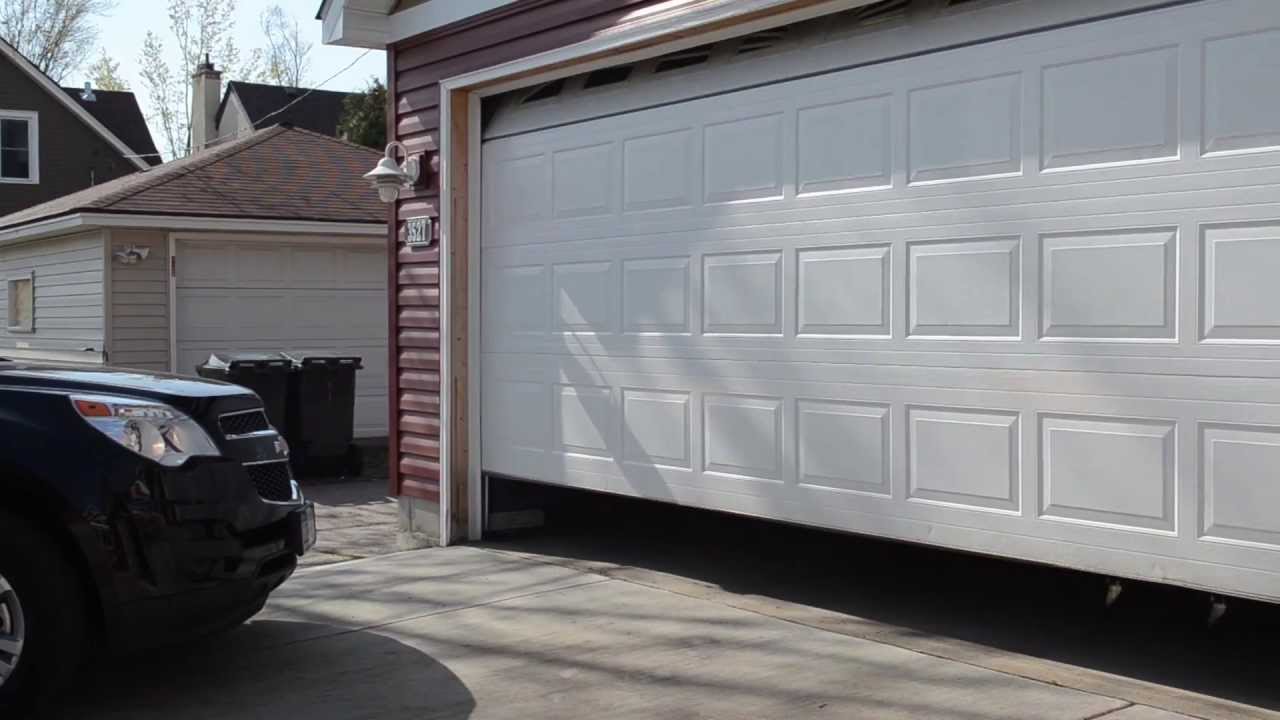
Your garage door suddenly crashes down with a loud bang. The spring snapped without warning. Now you’re stuck with a 200-pound door you can’t lift and a car trapped inside your garage.
Garage door springs fail more frequently in Merced than in many other areas. The Central Valley’s extreme temperature swings, high humidity, and dusty agricultural environment create perfect conditions for spring breakage. Most homeowners don’t realize their climate accelerates wear until they face an emergency.
This guide explains exactly why springs fail faster in Merced’s unique climate. You’ll learn how temperature changes, moisture, and dust damage your springs over time. We’ll also cover warning signs to watch for and how to protect your springs from premature failure.
The Role Springs Play in Your Door System
Garage door springs are the muscle behind your door’s operation. They provide the counterbalance force that makes lifting a heavy door effortless. Without functioning springs, even the strongest opener motor can’t lift your door safely.
Two main spring types exist in residential garage doors. Torsion springs mount on a bar above the door opening and twist to create a lifting force. Extension springs run along the horizontal tracks and stretch during door operation. Both types store tremendous energy to offset the door’s weight and work with other essential components for smooth operation.
Springs remain under constant tension even when your door sits closed. This continuous stress gradually weakens the metal over time. Each door cycle adds wear and brings the spring closer to failure. The average spring handles 10,000 to 15,000 cycles before breaking. However, environmental factors in Merced can significantly reduce this lifespan and cause garage door springs fail much sooner than expected.
Merced’s Unique Climate Challenges for Springs
Merced’s Central Valley location creates a harsh environment for metal components. The combination of extreme temperatures, moisture, and airborne particles accelerates spring deterioration significantly.
Extreme Heat and Cold Cycles
Summer temperatures in Merced regularly exceed 100 degrees Fahrenheit. Your garage becomes even hotter, often reaching 120 degrees or more. This intense heat causes metal springs to expand and lose tension temporarily. When evening arrives, temperatures can drop 40 degrees or more.
These dramatic temperature swings create a cycle of expansion and contraction in the metal. Each cycle weakens the molecular structure of the spring steel. Winter brings freezing temperatures that make metal brittle and prone to cracking. The constant temperature stress causes garage door springs fail faster than in moderate climates. Metal fatigue accumulates with each seasonal change until the spring eventually snaps.
Central Valley Moisture and Rust
Merced experiences significant humidity despite its hot summers. Morning fog and dew are common throughout the year. This moisture settles on your garage door springs and begins the corrosion process immediately.
Rust forms quickly on unprotected spring steel in humid conditions. The oxidation eats away at the metal’s surface and reduces its structural integrity. Even galvanized springs eventually lose their protective coating through daily wear. Once rust penetrates the surface, it spreads internally and weakens the entire spring. Corroded springs lose flexibility and snap without warning during normal operation.
Agricultural Dust and Debris Impact
The Central Valley’s agricultural activity fills the air with fine dust particles year-round. Harvest seasons bring especially heavy concentrations of dirt and plant matter. This debris infiltrates your garage and coats every surface, including your springs.
Dust mixed with moisture creates an abrasive paste on spring surfaces. This gritty buildup increases friction between coils during door operation. The extra resistance forces the springs to work harder with each cycle. Accumulated debris also traps moisture against the metal and accelerates rust formation. Regular garage door maintenance helps combat these environmental challenges, but can’t eliminate them completely.
Recognizing the Warning Signs of Spring Failure
Identifying spring problems early prevents dangerous breakdowns and expensive emergency repairs. Visual inspection reveals obvious spring damage before complete failure occurs. Look for rust spots, cracks, or stretched sections along the spring coils. A gap or separation between coils indicates the spring has lost proper tension. You might also notice the spring coating flaking off or looking worn.
Performance changes signal internal spring weakness even when visible damage isn’t apparent. Your door might feel heavier than usual when you lift it manually. The opener may struggle more than normal or make laboring sounds during operation. One side of the door might lift faster than the other, creating an uneven appearance. Any noisy door operation combined with these symptoms suggests spring problems are developing.
Listen for distinctive sounds that indicate imminent spring failure. Loud squeaking or creaking during operation means increased friction between weakened coils. A popping sound often precedes complete spring breakage by days or weeks. When garage door springs fail completely, you’ll hear a loud bang like a gunshot. The door will suddenly become impossible to lift and may crash down dangerously.
Extending Spring Life in Merced’s Environment
Proper care and maintenance help your springs survive Merced’s harsh climate longer. Establish a seasonal maintenance routine that addresses climate-related wear. Inspect your springs every three months for rust, gaps, or visible damage. Clean accumulated dust and debris from springs using a soft brush or cloth.
Regular professional maintenance catches problems before garage door springs fail completely. Trained technicians measure spring tension and identify weakening before breakage occurs. They also balance your door properly to prevent uneven stress on springs. Professional service includes adjusting broken springs and replacing worn components that affect spring performance. Annual inspections are especially important in Merced’s demanding climate.
Consider proactive spring replacement after seven years of use in Central Valley conditions. Springs typically last longer in moderate climates, but Merced’s environment accelerates wear dramatically. Replacing springs before they break prevents dangerous failures and protects other door components.
Local Experts Who Understand Merced’s Climate
Understanding why garage door springs fail in Merced’s climate helps you protect your investment and avoid emergencies. Extreme temperature swings, Central Valley moisture, and agricultural dust all accelerate spring deterioration. These environmental factors make springs wear out faster here than in most other regions.
Recognizing warning signs like rust, unusual noises, and performance changes gives you time to act before complete failure. Regular maintenance and timely replacement prevent dangerous breakdowns that happen at the worst possible moments. Professional service ensures your springs get proper care suited to local conditions.
Contact us today to schedule a spring inspection and protect your door from Merced’s harsh climate conditions.