
How to Fix a Noisy Garage Door: Squeaky Garage Door Repair and Noise Reduction Tips
A noisy garage door can be a significant annoyance, disrupting the peaceful atmosphere of your home. Many homeowners may not realize that this issue is often fixable through various maintenance techniques. Understanding how to address noises associated with your garage door can lead to a quieter and more enjoyable home environment. In this guide, we will delve into the common causes of garage door noise, repair techniques to fix squeaks, and tips to reduce noise effectively. We’ll also cover lubrication guidance, the importance of replacing noisy rollers, and when you may need to call in a professional service.
Common Causes of Garage Door Noise
There are several factors that contribute to garage door noise, which can manifest in different sounds. Identifying these sources is the first step towards a quieter garage door.
- Squeaking Noises: Often caused by a lack of lubrication on the hinges and rollers, leading to friction when the door moves.
- Grinding Sounds: These noises result from worn or damaged parts, particularly the gear mechanism in the opener or misaligned tracks.
- Rattling: Loose hardware can cause rattling sounds, making it essential to check and tighten any loose screws, nuts, or bolts.
Recognizing these common noises allows homeowners to understand what repairs may be needed to address the issue effectively.
For homeowners seeking expert assistance with noisy garage doors, seeking out specialized providers can offer reliable solutions. These professionals can diagnose and fix issues that DIY methods might not resolve. If your garage door is causing a constant disturbance, it might be time to consider professional intervention.
For those interested in innovative solutions to garage door noise, advancements in technology offer new perspectives beyond traditional repairs.
Reducing Garage Door Noise and Energy Loss with Electromagnetism
Garage door systems are loud and energy inefficient given their many contact points and need for continual maintenance. Most garage door systems use a loud, bulky electric motor to pull the garage door up and down using a chain. To reduce noise and energy loss due to friction from the electric motor and chain, electromagnetic forces used in Electromagnetic Suspension (EMS) trains were researched and adapted to a garage door system. Electromagnetically Propelled Garage Door, 2022
Detailed Repair Techniques for Squeaky Doors
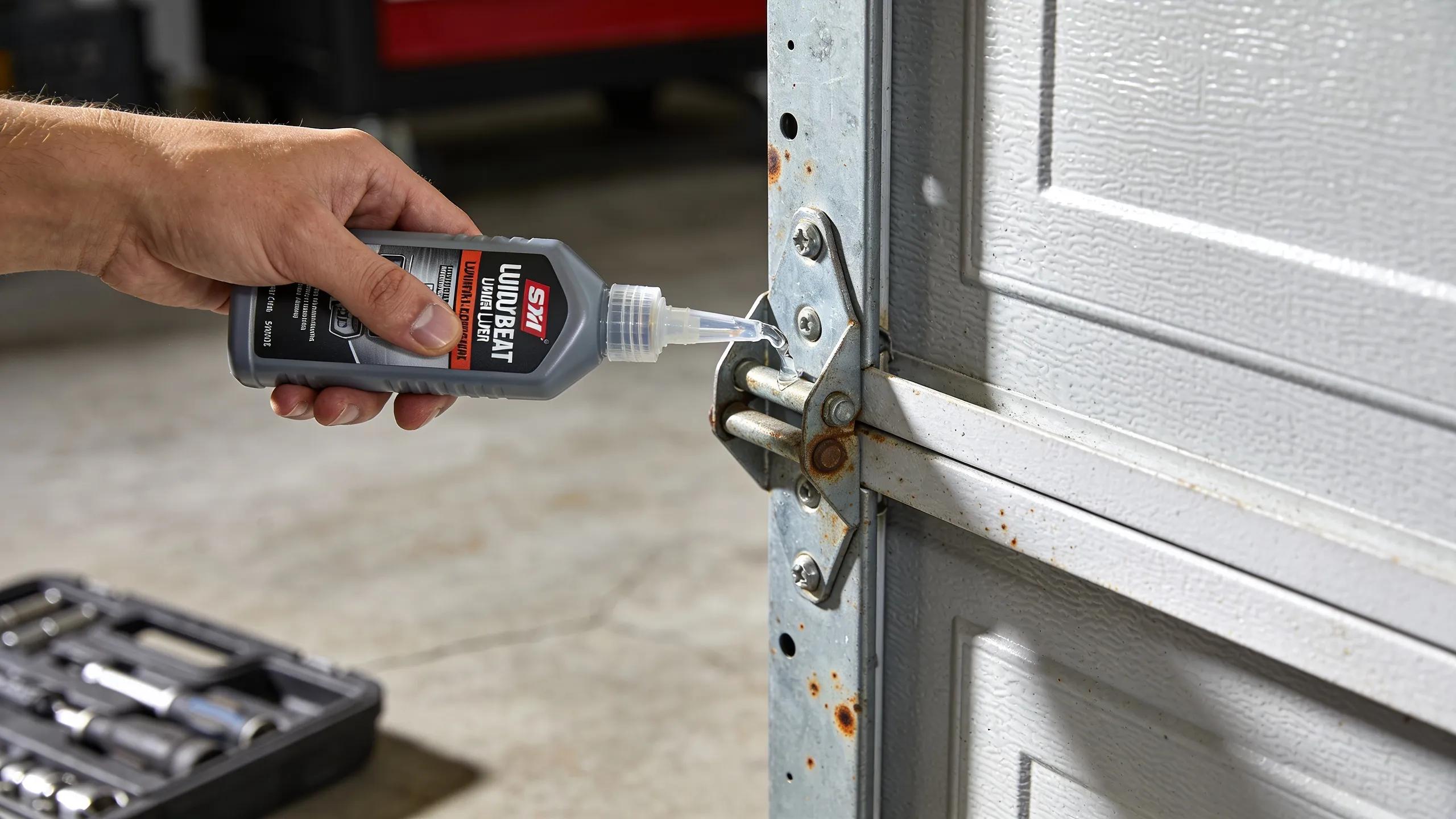
When it comes to repairing a squeaky garage door, a few techniques can help restore quiet operation. Regular maintenance is crucial for prolonging the life of your garage door and minimizing noise. This section details common repair steps.
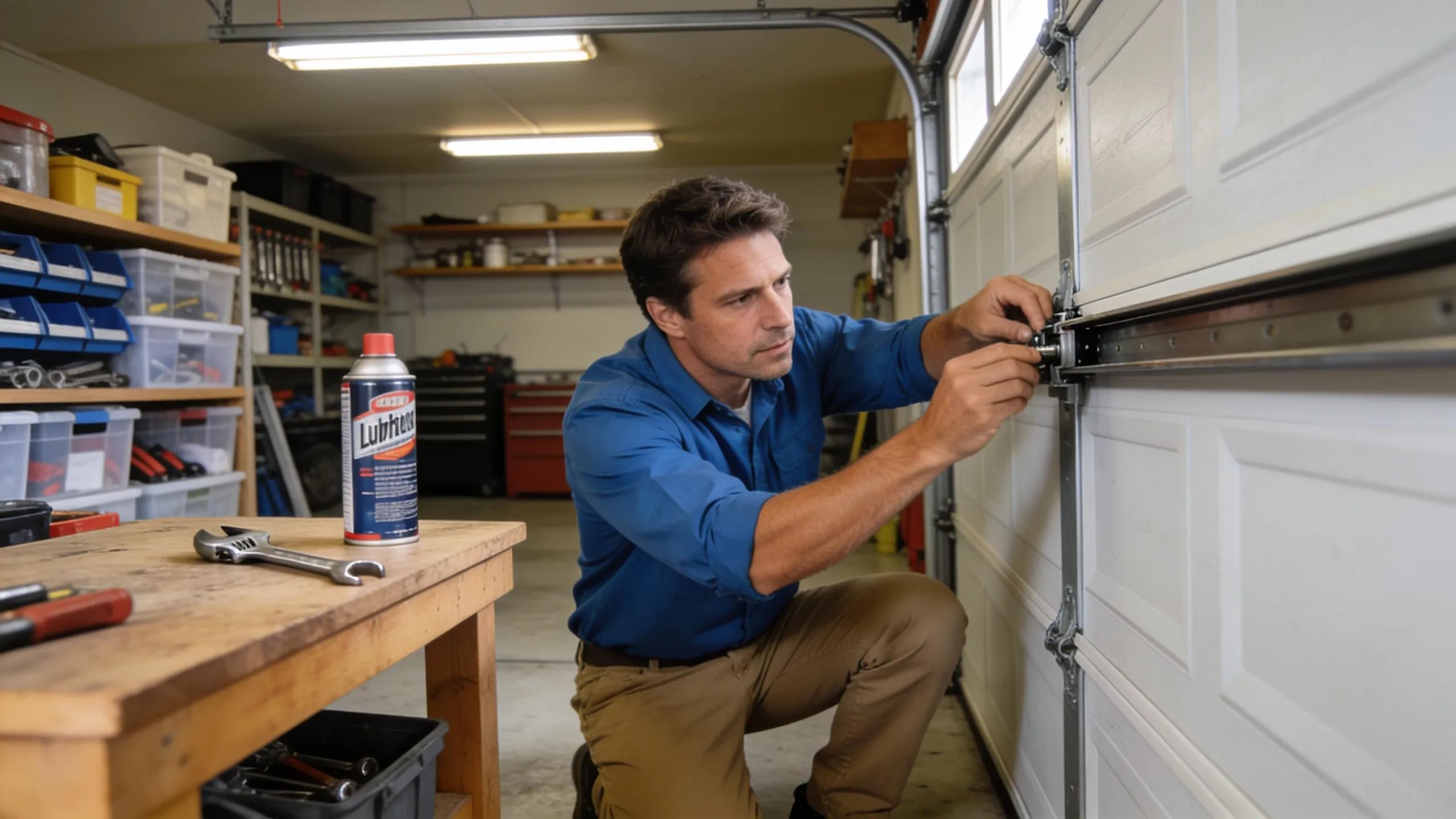
- Lubrication of Hinges and Rollers: Ensure to apply a high-quality lubricant specifically designed for garage doors. This reduces friction and helps quiet squeaking noises.
- Tightening Loose Hardware: Check and tighten all brackets, tracks, and hinges to eliminate rattling noises that occur during operation.
- Replacing Damaged Rollers: If certain parts are worn out, such as nylon garage door rollers, replacing them can significantly reduce noise and improve the door’s functionality.
These repair techniques can greatly enhance the performance of your garage door and lead to a quieter operation.
Guidance on Lubrication
Proper lubrication is vital for maintaining a smooth and quiet garage door operation. Different lubricants are effective for various parts of the garage door system.
- Types of Lubricants: Use silicone-based or lithium grease for the rollers and hinges to ensure optimal performance without attracting dirt and dust.
- Frequency of Application: It is recommended to lubricate garage door components every 6-12 months, making it part of your routine home maintenance.
- Important Areas to Lubricate: Focus on the rollers, hinges, and the inner workings of the opener to maximize noise reduction.
Maintaining a lubrication schedule will help extend the life of your garage door while minimizing unnecessary noise.
Replacing Noisy Garage Door Rollers
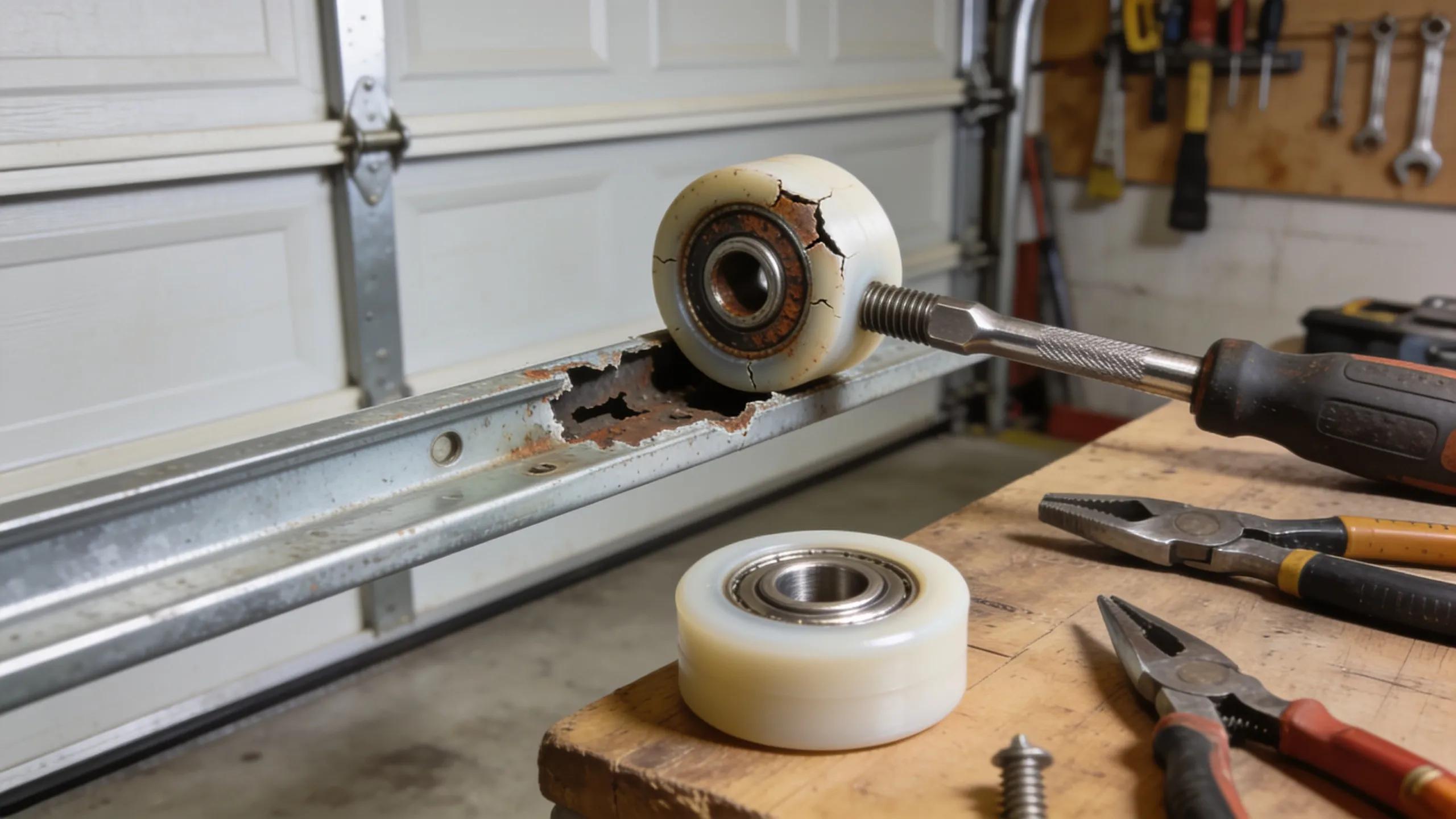
When your garage door rollers are worn out, it’s essential to replace them to ensure quiet and smooth operation. Neglecting to address this issue can lead to further complications down the line. For optimal performance, consider replacing your garage door rollers to ensure quiet and smooth operation.
- Identifying Worn Rollers: Look for visible signs of wear, such as cracks or uneven surfaces.
- Tools Needed for Replacement: You’ll typically need a wrench, screwdriver, and the new rollers.
- Proper Installation Steps: Remove the old rollers by loosening the bolts, then replace them with the new ones by following the manufacturer’s guidelines.
Replacing these components can significantly decrease operational noise and improve the efficiency of the garage door.
When to Call Professionals
While many garage door noises are manageable through DIY methods, there are situations where professional assistance is necessary. If you encounter persistent issues or suspect underlying problems, reaching out for help is crucial.
- Persistent Noise Issues: If the noise persists despite your best efforts, it may be a sign of a larger problem.
- Visible Damage or Misalignment: Any visible damage to the door itself or misalignment of parts should prompt a call to professionals.
- Safety Risks with DIY Repairs: If you are uncertain about performing repairs, especially involving the door’s springs or opener, it’s safer to consult a professional.
Professional services, like those offered by Precision Door, can assess complex issues and provide expert repairs. For comprehensive garage door repairs, consider consulting their expertise.
Precision Door is a specialized provider of garage door services, focusing on repairs, replacements, installations, and maintenance. If you’re having trouble with a noisy garage door, do not hesitate to reach out to experts who can help.