
Signs Your Garage Door Springs Are Broken
Signs Your Garage Door Springs Are Broken
Garage doors are essential for home security and convenience, forming a crucial barrier between your living space and the outside world. However, when the springs on your garage door break, it can lead to significant issues, ranging from inconveniences to safety hazards. Recognizing the signs of broken garage door springs is vital for timely repairs and maintaining functionality. This article will cover various indicators, symptoms, and underlying causes related to garage door spring failures. Additionally, we’ll look at necessary repairs and when professional help, such as the services offered by Precision Garage Door Service, should be sought.
Key Symptoms of Broken Garage Door Springs:
Identifying the early signs of broken garage door springs can prevent more significant problems later on. Here are the key symptoms to watch for:
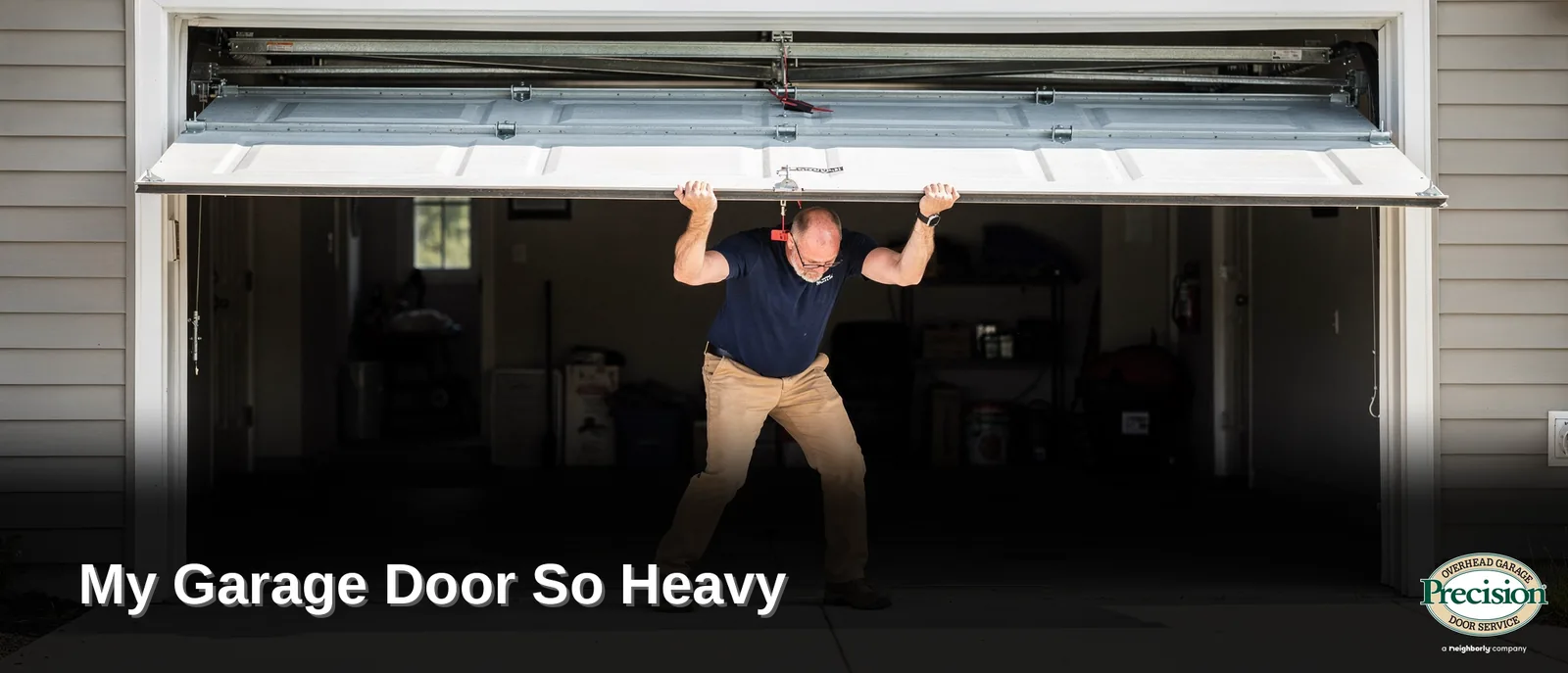
- Heavy Door: If your garage door feels exceptionally heavy when you try to open it, it may indicate that the springs are no longer providing the necessary support.
- Uneven Movement: Should your garage door move unevenly or take longer to open and close, this could signal that one or both springs are compromised.
- Loud Noises: Unusual noises such as loud bangs or clattering can also indicate issues with the springs, suggesting that they are struggling to function properly.
Recognizing these symptoms early on can assist in prompt action before more extensive damage occurs.
Visual Indicators to Watch For:
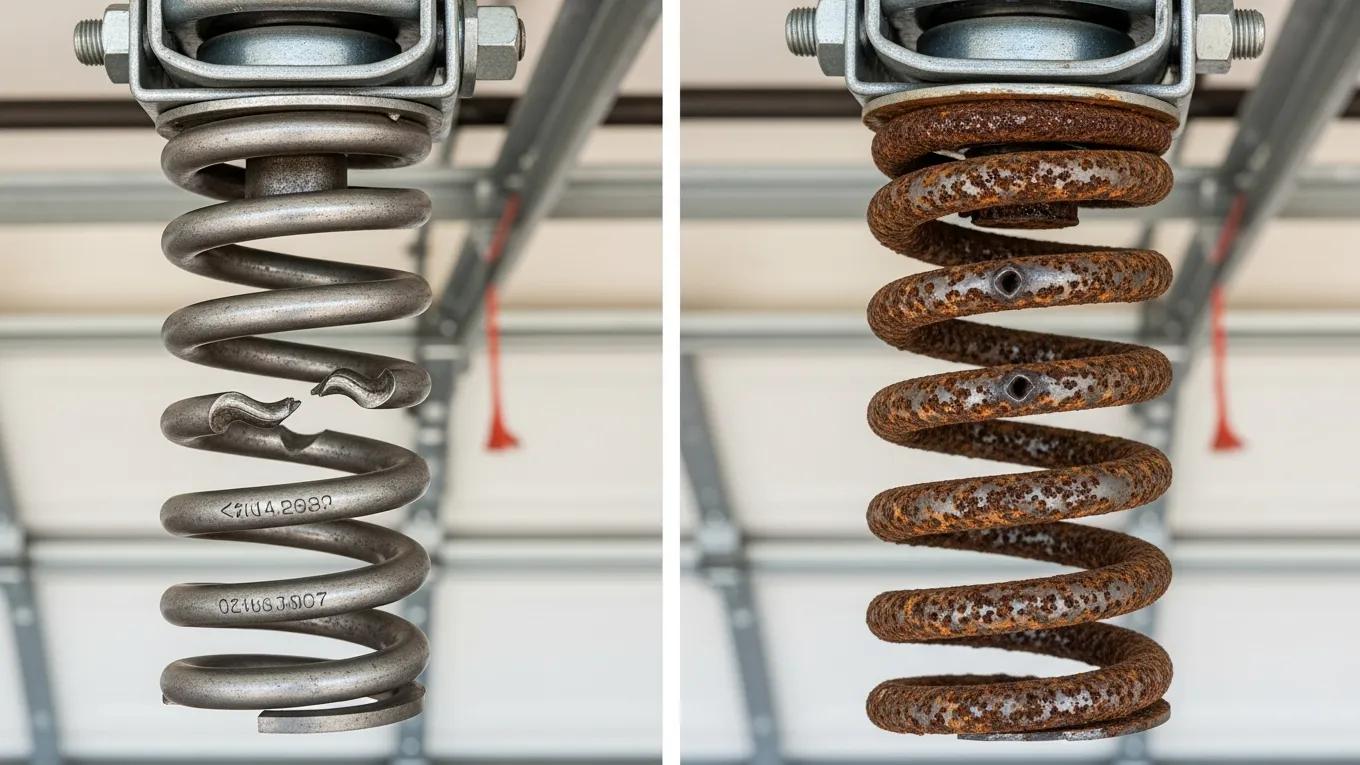
In addition to the symptoms mentioned, there are visual cues that can indicate broken garage door springs. Here are the primary visual indicators:
- Gaps in Spring Coils: Inspect the springs for visible gaps in the coils, which can signify that they are broken or failing.
- Rust or Corrosion: Rusty springs may compromise the function of your garage door, indicating it’s time for replacement.
- Loose or Frayed Cables: If the cables connected to the springs appear frayed or loose, this can affect the balance and safety of your garage door.
Examining these visual indicators regularly can aid in identifying potential spring failures.
Necessary Repairs:
Addressing broken garage door springs quickly is crucial to maintaining your garage door’s function. Here are some necessary repairs:
- Professional Inspection: Hiring a professional for an initial inspection is vital to determine the exact state of your garage door springs.
- Spring Replacement: Once diagnosed, replacing broken springs is often necessary to restore functionality.
- Routine Maintenance: Regular maintenance checks can prevent future failures and maintain the performance of your garage door system.
Precision Garage Door Service specializes in garage door spring repair and replacement, ensuring your garage door operates safely and efficiently.
How Can You Identify Broken Garage Door Springs?
Identifying broken garage door springs can involve several observations, which include noting the symptoms and visual indicators discussed earlier. Key steps include:
- Listening for Noises: Pay attention to any unusual sounds when operating the door.
- Check Movement: Observe how smoothly your door opens and closes. Stutters or hesitations can indicate underlying problems.
- Physical Inspection: Visually inspect the springs and cables for any obvious signs of damage, such as rust or gaps.
Taking these proactive steps to identify issues early can expedite repairs to keep your garage door functioning optimally.
What Are Common Noisy Garage Door Spring Symptoms?
When the springs in a garage door begin to deteriorate, they often create loud sounds. Common noisy symptoms include:
- Loud Bangs: Sudden loud bangs during operation may indicate broken springs.
- Squeaking Noises: Persistent squeaks can indicate rusting or poor lubrication of springs.
- Heavier Door Feel: A heavier-than-normal door can also indicate spring issues leading to additional strain and noise.
Understanding these sounds can directly point you towards necessary repairs or replacements for a noisy door.
Why Does Your Garage Door Fail to Open or Close Properly?
Several reasons contribute to the malfunctioning of garage doors, especially when they fail to open or close properly:
- Heavy Door: Damaged springs can make it difficult to lift the door, resulting in poor operation.
- Uneven Movement: If coils are broken, doors may not move evenly, leading to operational failure.
- Visible Damage: Physical inspection may reveal damage to springs or hardware, indicating immediate repair needs.
Recognizing these failure points will help prioritize repairs to ensure the garage continues to function reliably.
What Causes Garage Door Springs to Break?
Understanding the factors leading to spring failures can help prevent issues in the future. Common causes include:
- Natural Wear: Over time and with regular use, springs undergo wear that may lead to eventual breakage.
- Rust and Moisture Damage: Environmental factors such as rust from moisture can weaken springs and shorten their lifespan.
- Lack of Routine Maintenance: Without regular checks, small issues may develop into significant failures.
Applying appropriate preventative measures can prolong the life of your garage door springs.
How Do Weather and Usage Affect Spring Durability?
Weather and usage play critical roles in the lifespan of garage door springs. Here’s how:
- Effect of Weather: Extreme temperatures can cause materials to contract or expand, leading to damage and breakage.
- Usage Frequency: Daily usage places stress on springs, and higher use leads to faster wear.
- Routine Checks: Regular inspections help catch any issues due to wear and weather effects early.
Adopting a routine inspection plan can significantly contribute to maintaining spring durability.
What Types of Garage Door Springs Are Most Prone to Breaking?
Different types of garage door springs have varying durability levels based on their construction. The most common types include:
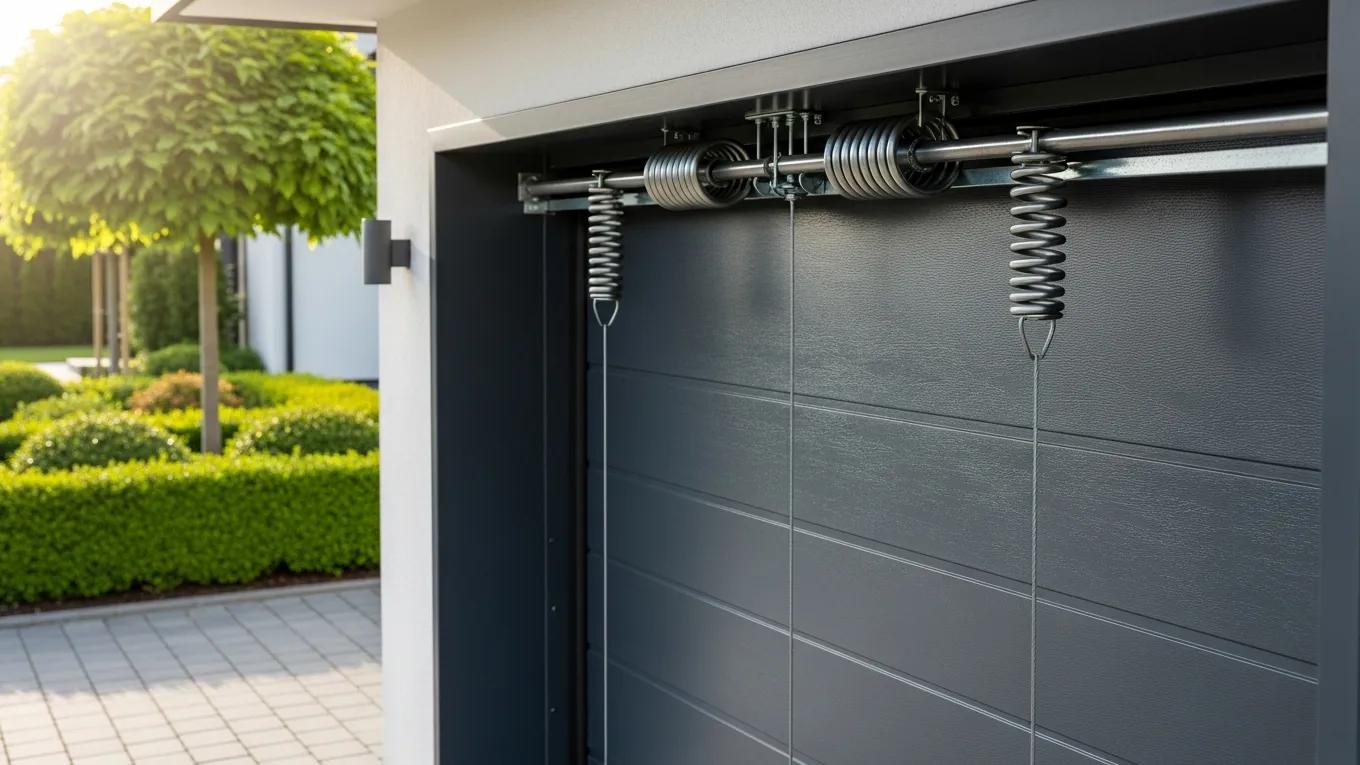
- Torsion Springs: Located above the garage door, torsion springs, due to their tension and usage, commonly face breakage.
- Extension Springs: These springs, which are located on the sides, enable the door’s lifting and can also be prone to breakage, particularly if they are not properly maintained.
- Installation Issues: Improper installation can significantly decrease the lifespan and performance of both types.
Understanding which types of springs are involved will help you make informed decisions about maintenance and repairs.
When Should You Call Professionals for Garage Door Spring Repair?
Knowing when to seek professional help is essential for ensuring safety and optimal function. Key indicators include:
- Symptoms of Need for Repair: If you routinely notice operational issues, consulting a professional becomes necessary.
- Professional Assistance: Experts can definitively diagnose problems and recommend appropriate solutions.
- Safety Risks: Given the risks associated with broken springs, expertise is essential for safe repairs.
Precision Garage Door Service is equipped to handle various garage door issues, ensuring safety and functionality.
Is Garage Door Spring Repair Safe for Homeowners to Attempt?
While some might consider DIY repairs for garage door springs, it typically presents risks:
- Risks Involved: Garage door springs are under high tension and can cause injury if handled improperly.
- Necessary Skills: Proper techniques and tools are required for safe repairs, which many homeowners may not possess.
- Safety Tips: If choosing to inspect, always prioritize safety by ensuring the door is secure and you understand procedures.
For most homeowners, relying on professionals for repairs is the safest course of action.
What Emergency Garage Door Spring Services Does Precision Garage Door Service Offer?
For those facing urgent issues, Precision Garage Door Service provides specialized emergency services, including:
- Response Times: Quick responses to ensure minimal disruption.
- Types of Repairs: Covering spring replacements and maintenance to restore door functionality.
- Guarantees/Warranties: Offering peace of mind with guarantees on services performed.
This focus on emergency services emphasizes the importance of prompt and reliable assistance.
How Much Does Garage Door Spring Replacement Cost?
The cost of garage door spring replacement can vary significantly based on several factors:
- Cost Variations: Prices can range due to location and the specific setup of the door.
- Factors Influencing Prices: Types of springs, labor costs, and other repairs needed can affect final prices.
- Service Charges: Be sure to consider any service charges from your chosen repair provider.
For informed budgeting, an understanding of these factors helps ensure you prepare for potential expenses.
What Factors Influence Garage Door Spring Replacement Prices?
When considering replacement, various factors will influence prices, including:
- Type of Spring: Torsion springs often cost more due to their complexity.
- Extent of Damage: The greater the damage to the system, the higher the resulting repair costs may be.
- Local Labor Rates: Regional differences can affect overall service pricing.
Awareness of these factors allows for more accurate budgeting when it comes to garage door repairs. For more details on typical costs and what influences them, consider exploring information on parts and accessories.
Are There Maintenance Tips to Extend Spring Life and Reduce Costs?
To prolong the life of your garage door springs, consider these essential maintenance tips:
- Regular Inspections: Schedule regular inspections to catch minor issues before they escalate.
- Proper Lubrication: Using appropriate lubricants can reduce wear and tear on spring mechanisms.
- Spring Type Considerations: Certain spring types benefit from specific maintenance practices to enhance their functional life.
Implementing these proactive measures can greatly enhance the longevity of your garage door springs.