
Garage door springs often snap without warning, leaving homeowners shocked and stuck. One moment, the door works fine. Next, it refuses to open or slams shut. These sudden failures usually happen at the worst possible time.
Many people assume spring break because of one bad moment. In reality, several hidden factors build up over time. Wear, rust, temperature changes, and poor maintenance all weaken springs quietly. When the stress reaches its limit, the spring snaps without notice.
In this guide, you will learn what causes garage door springs to snap suddenly. We explain the most common reasons, warning signs to watch for, and what happens after a spring break. By understanding these causes early, you can reduce risk and protect your garage door system.
Why Garage Door Springs Can Break Without Warning
Garage door springs carry constant tension every time the door opens or closes. Each lift adds stress to the metal coils. This stress builds slowly over months and years. Because springs sit above the door, damage often stays hidden. The door may still move smoothly, which gives a false sense of safety. As a result, springs can snap suddenly even when the door worked fine the day before.
Many problems develop quietly and out of sight. Rust forms as moisture settles on the coils and weakens the steel. Hot and cold weather cause the metal to expand and contract. This movement increases fatigue and speeds up wear. Daily use adds repeated strain that slowly reduces strength. These issues rarely show clear warning signs until the spring reaches its limit.
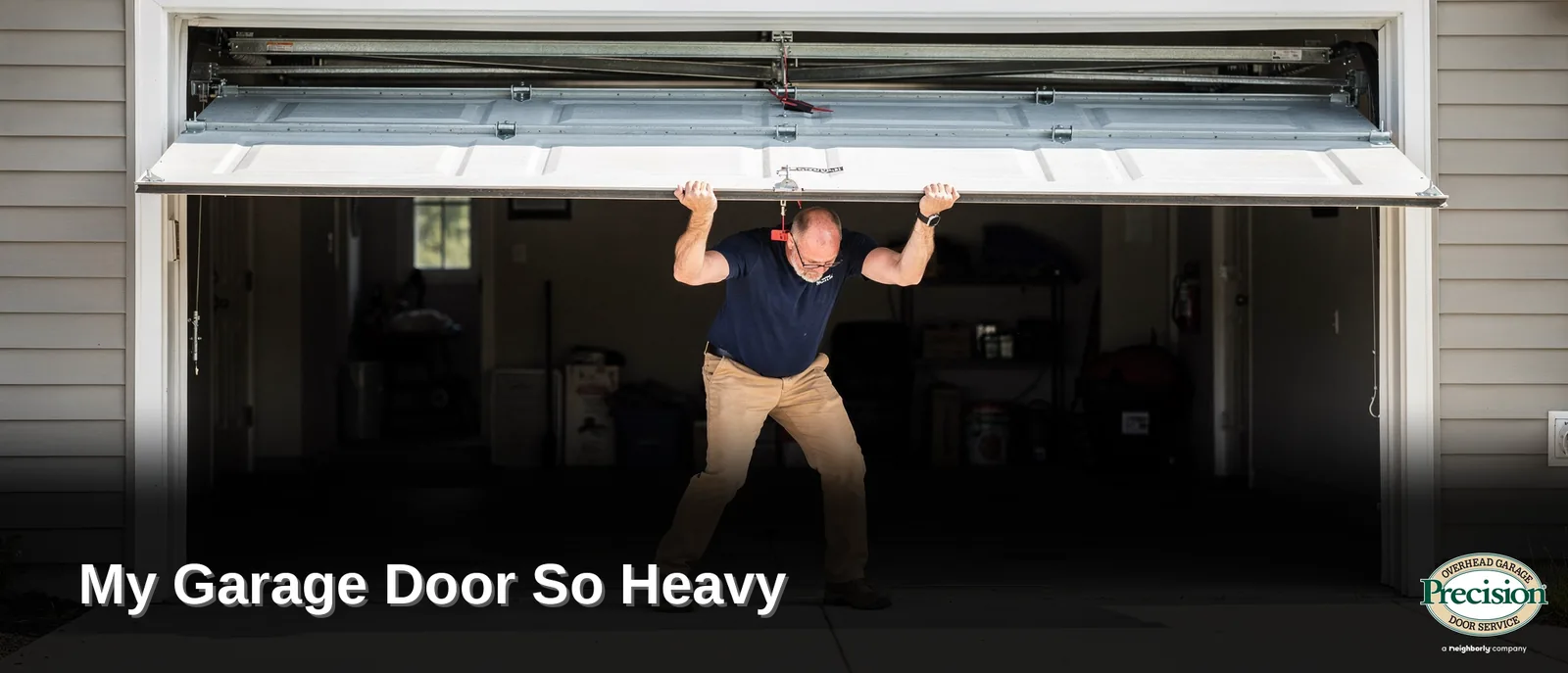
When a spring breaks without notice, the garage door often stops working immediately. The door may feel extremely heavy or refuse to open. In some cases, the door can slam shut and damage other parts. Cables, rollers, and the opener can suffer extra stress. Homeowners often need garage door repairs to restore safe operation. Understanding why springs fail helps reduce surprises and protects the entire garage door system.
Most Common Reasons Garage Door Springs Snap
Garage door springs snap most often due to long-term wear, rust buildup, and lack of maintenance. Daily opening and closing slowly weaken the metal, even when the door appears to work fine. Moisture causes corrosion, which reduces strength and flexibility. Using the wrong spring type or worn parts and accessories also increases strain. Over time, these combined factors push the spring past its limit, causing sudden failure without warning.
Normal Wear From Daily Use
Garage door springs wear down with every opening and closing cycle. This daily movement slowly weakens the metal over time. Even normal use adds stress that cannot be avoided. Eventually, this wear leads to broken springs without any sudden trigger. Most springs reach this point after years of regular use.
Rust and Moisture Damage
Rust and moisture damage weaken garage door springs over time. Moisture settles on the metal and causes corrosion. Rust reduces flexibility and increases friction during movement. This added strain can also affect nearby rollers and cables, leading to sudden spring failure. Regular lubrication helps slow this type of damage.
Incorrect Spring Size or Type
Using the wrong spring size or type puts extra strain on the garage door system. The door may move unevenly or struggle to open. This stress often creates grinding or squeaking sounds. These symptoms can resemble a noisy door issue before failure. Over time, the added strain increases the risk of sudden spring breakage.
Lack of Routine Maintenance
Lack of routine maintenance allows small problems to grow unnoticed. Dirt, rust, and friction build up on the springs over time. Without lubrication and inspections, springs lose strength faster. This neglect can also contribute to off-track doors when tension suddenly fails. Regular service helps catch issues before damage spreads.
Sudden Temperature Changes
Sudden temperature changes put extra stress on garage door springs. Cold weather makes metal stiff and brittle. Heat causes expansion that weakens the coils over time. These shifts increase fatigue and raise the risk of sudden failure.
Temperature stress can also affect balance and performance. Springs may lose proper tension and strain garage door openers during operation. Over time, repeated weather swings speed up wear. In most cases, temperature changes combine with age and use to cause spring failure, not a single cold or hot day.
Warning Signs a Garage Door Spring Is About to Break
Garage door springs often show subtle warning signs before breaking. The door may start opening more slowly than usual. You might notice uneven movement or hesitation during operation. These changes often signal rising tension problems.
Loud bangs, popping sounds, or squeaking also indicate spring stress. The door may feel much heavier when lifting manually. Gaps or stretching in the spring coils signal serious wear. These signs should never be ignored.
Modern designs aim to improve safety and durability, but warning signs still matter. Paying attention helps prevent sudden failure and damage. Staying informed about Garage Door Trends 2024 helps homeowners recognize risks early and protect their garage door systems.
What Happens After a Garage Door Spring Snaps
When a garage door spring snaps, the door often stops working immediately. The door may refuse to open or feel extremely heavy. In some cases, it can slam shut without warning. This sudden failure creates safety risks for people and property.
A broken spring also puts extra strain on other components. Cables, rollers, and the opener may suffer damage. Continued use after a break can worsen the problem. Small issues can quickly turn into costly repairs.
Many failures happen after improper setup or replacements. Ignoring proper garage door installation guidelines increases stress on springs. Correct installation helps maintain balance, protect parts, and reduce the risk of sudden spring failure.
Fast Garage Door Spring Repair in Merced
A broken garage door spring can bring everything to a stop. The door may refuse to open or feel dangerously heavy. In some cases, it can slam shut without warning. These situations create safety risks for your home and family. Acting quickly helps prevent further damage and restores normal operation sooner.
Garage door spring repair is not a DIY task. Springs hold extreme tension and can cause serious injury if handled incorrectly. Improper repairs can also damage cables, rollers, and the opener. Professional service ensures the correct spring type, proper balance, and safe operation. This approach protects the entire system and extends its lifespan.
Our team provides fast and reliable garage door spring repair in Merced. We inspect the full system and replace springs with the correct parts. Our goal is safe, smooth, and long-lasting performance. Contact Precision Merced now to schedule expert spring repair and get your garage door working again.