You press the button, and your garage door starts rising. But halfway up, it suddenly stops. You’re stuck with a partially open door blocking your car inside or leaving your garage exposed to the elements.
A garage door that won’t open fully is one of the most common and frustrating problems homeowners face. The door might stop at the same spot every time or halt at different heights randomly. Either way, you can’t use your garage properly until the issue gets fixed.
This guide explains why garage doors stop partway through opening and what you can do about it. You’ll learn the most common causes, simple troubleshooting steps, and when professional help becomes necessary. Understanding these issues helps you get your door working properly again quickly.
Common Reasons a Garage Door Won’t Open Fully
Safety sensors are designed to stop door movement when they detect obstructions. These photo eyes sit near the floor on each side of the door opening. When something blocks the sensor beam, the door stops immediately to prevent accidents. Sometimes dirt, cobwebs, or misalignment trigger false readings that stop the door unnecessarily.
Track and roller problems also prevent full opening. Bent tracks create friction points where the door binds and stops moving. Worn or damaged rollers struggle to move smoothly along the tracks. Debris accumulation in the tracks adds resistance that the opener can’t overcome. These issues cause the door to halt before reaching full height.
Opener limit settings tell the motor when to stop during opening and closing cycles. These adjustments can drift out of calibration over time. When the open limit is set too low, the garage door opener stops the door before it reaches the proper height. Incorrect force settings also cause premature stopping when the motor senses resistance.
What Prevents Your Garage Door from Opening Completely
Understanding the root causes helps you address the problem effectively. Three main issues account for most cases when a garage door won’t open fully.
Broken or Worn Springs
Garage door springs provide the lifting force that counterbalances the door’s weight. When springs weaken or break, the opener motor can’t lift the door’s full weight alone. The door might rise partway before the motor gives up and stops.
Torsion springs above the door and extension springs along the tracks both lose tension gradually over time. A partially broken spring still provides some lift but not enough for complete operation. You might notice the door feeling heavier than normal or rising very slowly. Broken springs require immediate professional attention for safe replacement.
Obstructed or Misaligned Tracks
Track problems create physical barriers that prevent smooth door movement. A bent section in the vertical track acts like a speed bump that the door can’t pass. The rollers jam against the damaged area, and the door stops moving.
Misaligned tracks cause similar issues when the door binds between the rails. Loose mounting brackets allow tracks to shift out of proper position over time. Debris like rocks, nails, or accumulated dirt also obstructs roller movement. Severe track damage requires professional repair to restore safe operation. Regular inspection prevents minor off track door issues from becoming major problems.
Opener Force and Limit Settings
The opener’s limit switches control how far the door travels during operation. These settings tell the motor exactly when to stop opening and closing. When the open limit is incorrectly adjusted, the door stops too soon.
Force settings determine how much resistance triggers the motor to stop for safety. If the force setting is too sensitive, normal door weight might cause premature stopping. These adjustments require careful calibration to balance safety with proper function. Incorrect settings often develop after power outages or when someone accidentally changes them during maintenance.
How to Fix a Garage Door That Won’t Open Fully
Check the safety sensors first when your garage door won’t open fully. Look for the small lights on each sensor unit near the floor. Both lights should be solid, not blinking. Clean the sensor lenses with a soft cloth to remove dirt and cobwebs. Make sure nothing blocks the beam between the sensors. Adjust sensor alignment by loosening the mounting bracket and repositioning until both lights stay solid.
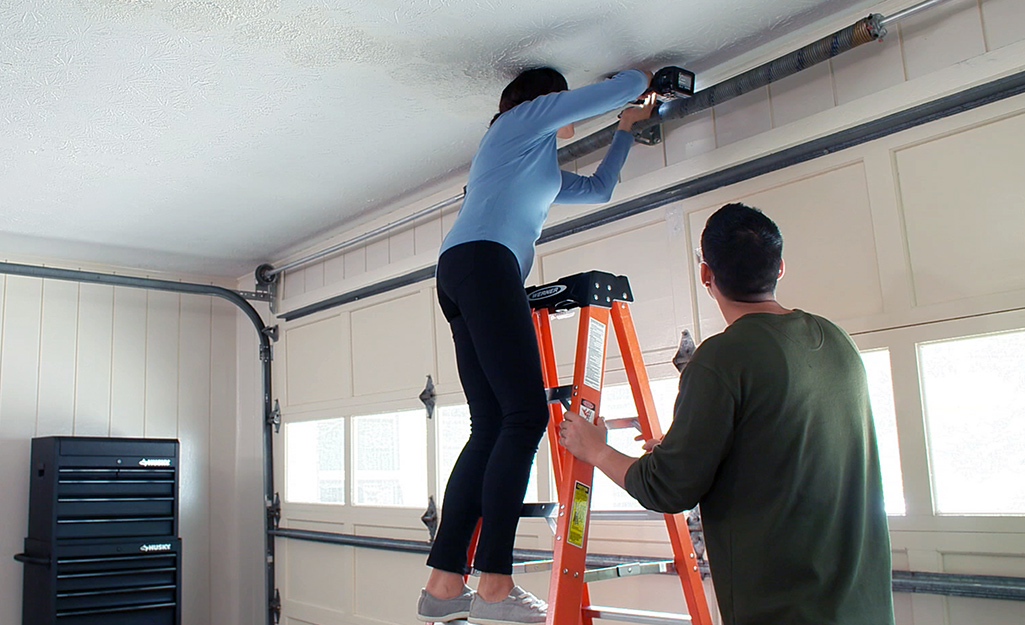
Inspect the tracks and rollers for obvious problems. Look for bent sections, loose bolts, or debris inside the tracks. Tighten all track mounting brackets with a wrench. Remove any objects or buildup from inside the track channels. Check that rollers spin freely and aren’t cracked or worn. Apply lubricant to rollers and track sections to reduce friction.
Test your door’s balance manually to identify spring problems. Disconnect the opener by pulling the emergency release cord. Lift the door halfway by hand and let go gently. A properly balanced door stays in place. If it falls or rises on its own, the springs need adjustment or replacement. Never attempt spring repairs yourself as they’re under extreme tension.
Professional Solutions for Opening Problems
Spring replacement is dangerous work that only trained technicians should perform. Springs store tremendous energy that can cause serious injury if mishandled. Professionals have the right tools and experience to replace springs safely. They also ensure proper tension calibration so your door operates smoothly. Most garage door repairs involving springs get completed quickly by experienced technicians.
Track repair and realignment need precision to restore proper door operation. Bent tracks must be straightened or replaced to eliminate binding points. Professionals use specialized tools to measure track alignment accurately. They adjust mounting brackets to achieve perfect vertical and horizontal positioning. Proper track work ensures your door moves smoothly through its entire travel range.
Opener adjustments require technical knowledge of limit and force settings. Technicians use diagnostic tools to test motor performance and sensor function. They calibrate settings precisely for your specific door weight and size. Complex opener problems may require motor replacement or circuit board repairs.
Get Your Door Opening Fully Again
Understanding why a garage door won’t open fully helps you take appropriate action quickly. Safety sensors, track problems, and spring issues are the most common culprits. Simple troubleshooting steps resolve many partial opening problems without professional help.
Recognizing when expert assistance is needed protects your safety and your property. Spring replacement and major track repairs require specialized skills and equipment. Attempting complex repairs yourself creates serious injury risks and potential damage to your door system.
Precision Door of Merced provides fast, reliable service for all garage door opening problems. Our skilled technicians diagnose issues accurately and implement effective solutions the same day. Contact us today to schedule service and get your garage door opening fully again.