
When to Replace Rollers and Cables: Essential Garage Door Maintenance and Repair Guide
Maintaining a garage door is crucial for smooth operation and safety. One significant aspect of this maintenance involves understanding the signs of wear that indicate when to replace essential components like rollers and cables. Knowing when to replace these parts can prevent minor issues from turning into costly repairs, enhancing the overall functionality and safety of your garage door. In this guide, we’ll explore the critical indicators of roller and cable wear, the impact of these conditions on door functionality, and recommended maintenance practices. We will also touch upon safety hazards associated with worn parts, ensuring you are well-informed.
When to Replace Rollers and Cables:
Replacing rollers and cables at the right time is essential for prolonging the life of your garage door system. Regular inspections can help identify wear and tear, allowing for timely replacements. Key factors to look for include unusual noises during operation, misalignment, and physical damage to the components. Maintaining these parts not only ensures optimal performance but also safeguards against potential accidents due to failures. For expert assistance with these critical components, consider garage door repairs.
Signs of Wear:
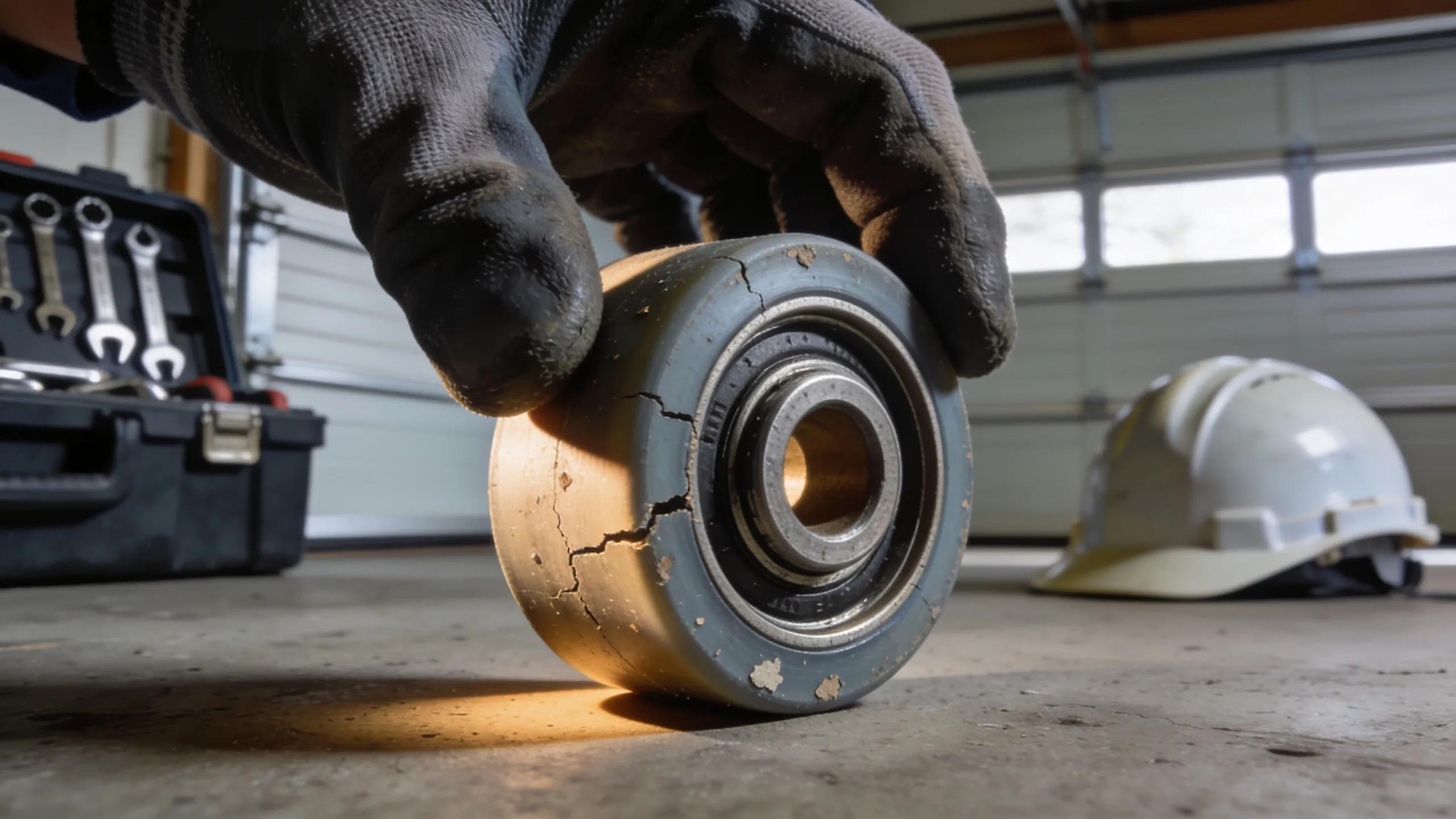
Several indicators can signify the need for roller and cable replacement:
- Cracks or Chips: Examine rollers for visible cracks or chips causing uneven movements.
- Fraying: Cables that show signs of fraying pose a significant safety risk and need immediate attention.
- Noise: Unusual sounds, such as grinding or squeaking, often suggest that rollers are worn out and require replacement to prevent further damage.
Identifying these signs early can prevent more significant issues and maintain the safety and functionality of your garage door.
Impact of Roller Condition on Door Functionality:
The condition of garage door rollers directly affects how the door functions. Worn rollers can cause:
- Uneven Operation: If rollers are compromised, they may lead to uneven door movements, causing stress on the door structure.
- Increased Wear on Other Parts: Poorly functioning rollers may lead to additional strain on the door springs and tracks, resulting in premature failures if not addressed.
Regularly checking rollers for wear can significantly enhance door performance and extend the lifespan of the entire garage door system. If you’re experiencing issues, understanding the common rollers and cables problems can help.
Common Symptoms of Cable Failure:
Cable failure presents dangerous situations and must be addressed immediately. Symptoms to monitor include:
- Visible Wear: Cables should be inspected for signs of fraying or damage.
- Door Dysfunction: If the garage door struggles to open or close properly, it’s often a sign of cable issues that need immediate consideration.
By keeping an eye out for these symptoms, you can ensure a safer and more reliable garage door operation.
Safety Hazards Associated with Worn Cables:
Worn cables can pose several hazards, including:
- Potential for Cable Snaps: A snapped cable can cause severe injuries and significant damage to the door and surroundings.
- Property Damage: If cables fail while the garage door is in operation, they may lead to irreversible damage to vehicles or stored items beneath.
Addressing cable wear promptly not only enhances safety but can ultimately save on extensive repair costs.
Recommended Maintenance Practices:
To extend the lifespan of your rollers and cables, consider implementing these maintenance practices:
- Regular Inspections: Conduct visual checks every few months to detect early signs of damage.
- Lubrication: Applying a lubricant to rollers helps reduce friction and wear.
- Professional Maintenance: Scheduling annual check-ups with a qualified technician ensures all components are functioning optimally.
These practices will help maintain your garage door’s integrity and efficiency over time.
What Are the Key Signs of Worn Garage Door Rollers?
Identifying worn garage door rollers can prevent larger issues:
- Cracking or Damage: Inspecting rollers for physical damage is critical in early identification.
- Misalignment: Check that rollers are correctly aligned; misalignment can lead to operational issues.
- Increased Noise Levels: Listen for grinding noises which may indicate roller wear.
Being proactive about roller conditions can avoid unexpected repairs and enhance door reliability.
How Does Roller Condition Affect Garage Door Performance?
The overall performance of a garage door system greatly depends on roller condition. Damaged or worn rollers can lead to:
- Operational Inefficiency: A doorway with malfunctioning rollers may open and close slower than intended.
- Increased Maintenance Costs: Neglected rollers can cause wear on other mechanisms, leading to expensive repairs down the line.
Regular maintenance to ensure rollers are in good condition is vital for the entire system’s performance.
Which Roller Types Are Most Common for Replacement?
There are several roller types to consider when replacing garage door components:
- Nylon Rollers: These are generally quieter and require less maintenance.
- Steel Rollers with Bearings: More durable but may require lubrication to prevent noise.
- Plastic Rollers: Affordable but tend to wear out quicker than other materials.
Choosing the right roller type can enhance the overall operation and longevity of your garage door system. Explore options at parts and accessories for suitable replacements.
How to Detect Signs of Garage Door Cable Wear and Safety Risks?
Detecting cable wear involves visual and functional checks. Regularly inspect cables for:
- Fraying or Damage: Cables that are worn or frayed should be replaced immediately to prevent failure.
- Stretched Cables: If cables appear excessively slack, they may need adjustment or replacement.
Being vigilant about cable health can significantly reduce the risk of safety incidents.
What Are Common Symptoms of Cable Failure to Watch For?
Common symptoms indicative of cable failure include:
- Physical Damage: Inspect for evident frays or breaks in the cable.
- Door Malfunction: A garage door that does not open or close smoothly may point to cable problems.
- Noise: Listen for unusual sounds while operating the door, which can suggest cable issues.
Addressing these symptoms quickly is essential for ensuring a safe and functional garage door.
What Safety Hazards Do Worn Cables Present?
Worn cables can lead to significant safety hazards, such as:
- Injury Risks: A broken cable can cause the garage door to drop suddenly, posing serious injury risks.
- Damage Liability: If a door malfunction causes property damage, you may face repair and liability costs.
Regular checks of cable conditions can mitigate these risks and promote safety.
What Is Involved in Garage Door Roller Replacement and Cable Repair?
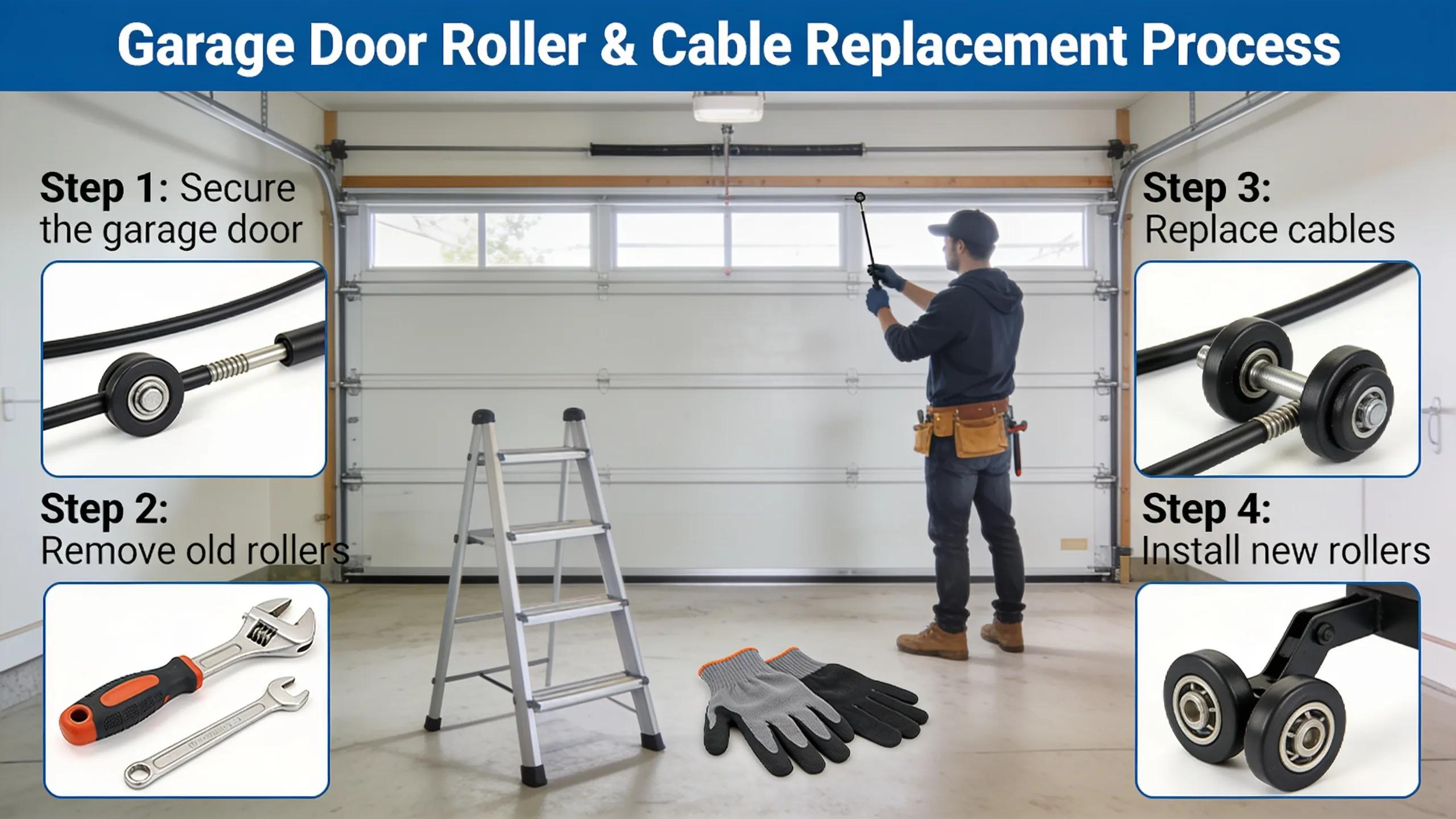
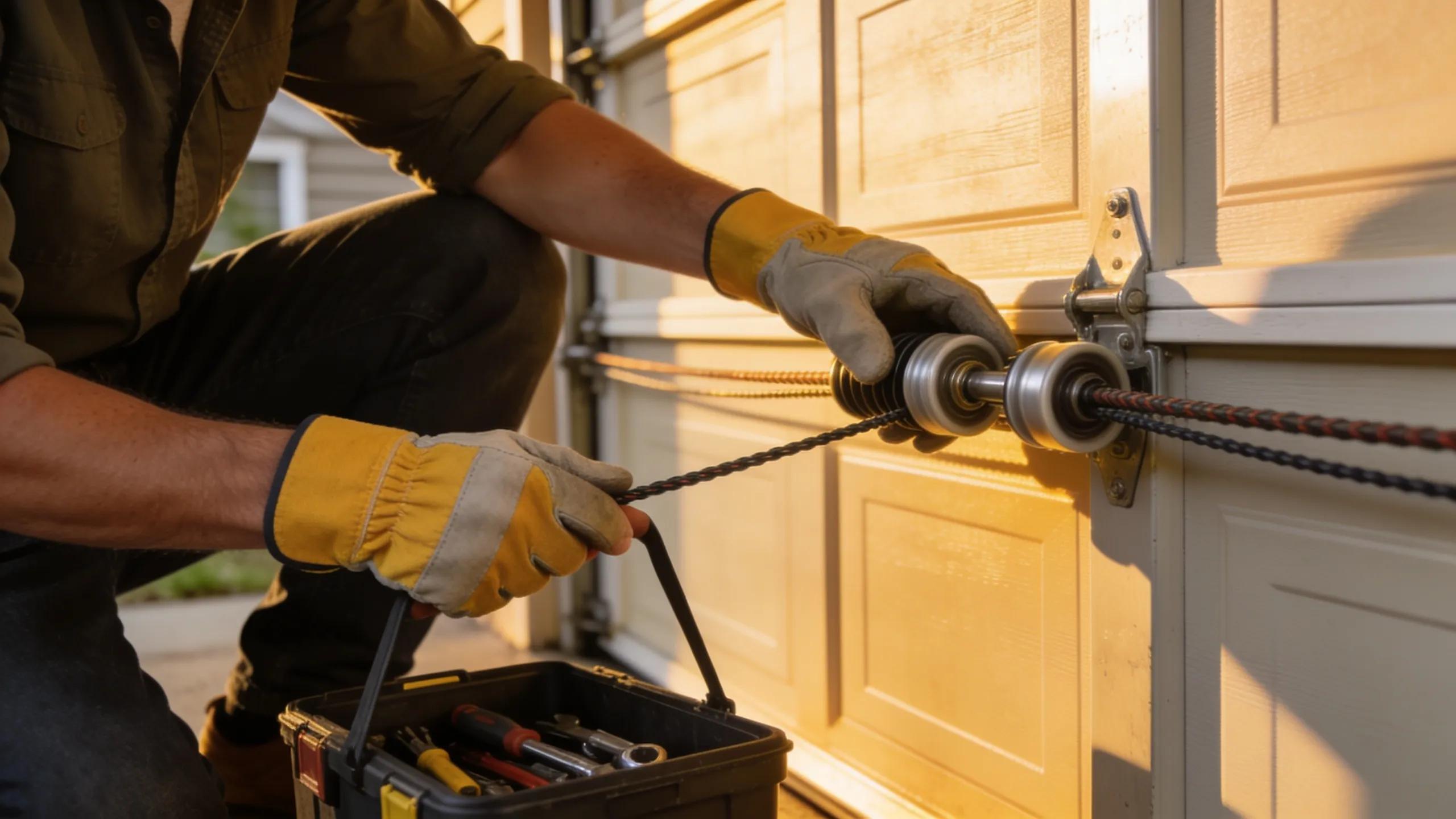
When replacing garage door rollers and cables, the process typically includes:
- Assessment: Evaluate the condition of rollers and cables to determine what needs replacement.
- Tools Required: Essential tools include a socket wrench, ladder, and safety gloves.
- Replacement Procedure: Follow a detailed step-by-step guide or professional service for seamless replacement.
Proper replacement ensures that the garage door functions correctly and prevents further complications.
What Are the Steps for Professional Roller and Cable Replacement?
If you decide to hire professionals for roller and cable replacement, expect the following steps:
- Assessment: A thorough evaluation of the garage door system’s condition.
- Replacement: Removal and installation of new rollers and cables.
- Testing: Testing the door’s functionality after replacement to ensure safety.
Professional services reduce risk and ensure quality installations.
When Should You Call Professionals Versus Attempt DIY Repairs?
Knowing when to seek professional help rather than tackling repairs independently is crucial. Key considerations include:
- Complexity of Repairs: If the problem involves intricate mechanisms, professional assistance is wise.
- Safety Risks: For significant wear on heavy components, professionals should handle repairs.
Understanding your limitations can keep you safe and your garage door functioning optimally.
How Much Does Garage Door Part Replacement Cost and How to Plan Maintenance?
Costs for garage door part replacement can vary based on components and labor. On average:
- Rollers: Typically run about $20-$50 per roller.
- Cables: Replacement can cost between $100 to $300, depending on material and service provider.
Budgeting for regular maintenance helps ensure costs remain manageable and avoids unexpected expenses.
What Influences the Cost of Roller and Cable Replacement?
Several factors influence the cost of roller and cable replacement:
- Labor Rates: Service fees may vary based on location and technician experience.
- Quality of Parts: Choosing higher-quality materials may raise costs but improve durability.
Understanding these factors can aid in cost-effective planning for garage maintenance.
What Are Recommended Maintenance Tips to Extend Roller and Cable Lifespan?
To prolong the life of your garage door components, consider implementing the following tips:
- Routine Inspections: Perform regular checks to catch wear early.
- Regular Lubrication: Use appropriate lubricants to reduce friction and wear.
- Professional Servicing: Engage professionals for in-depth maintenance at least once a year.
Following these tips ensures a safe and well-functioning garage door system for years to come.