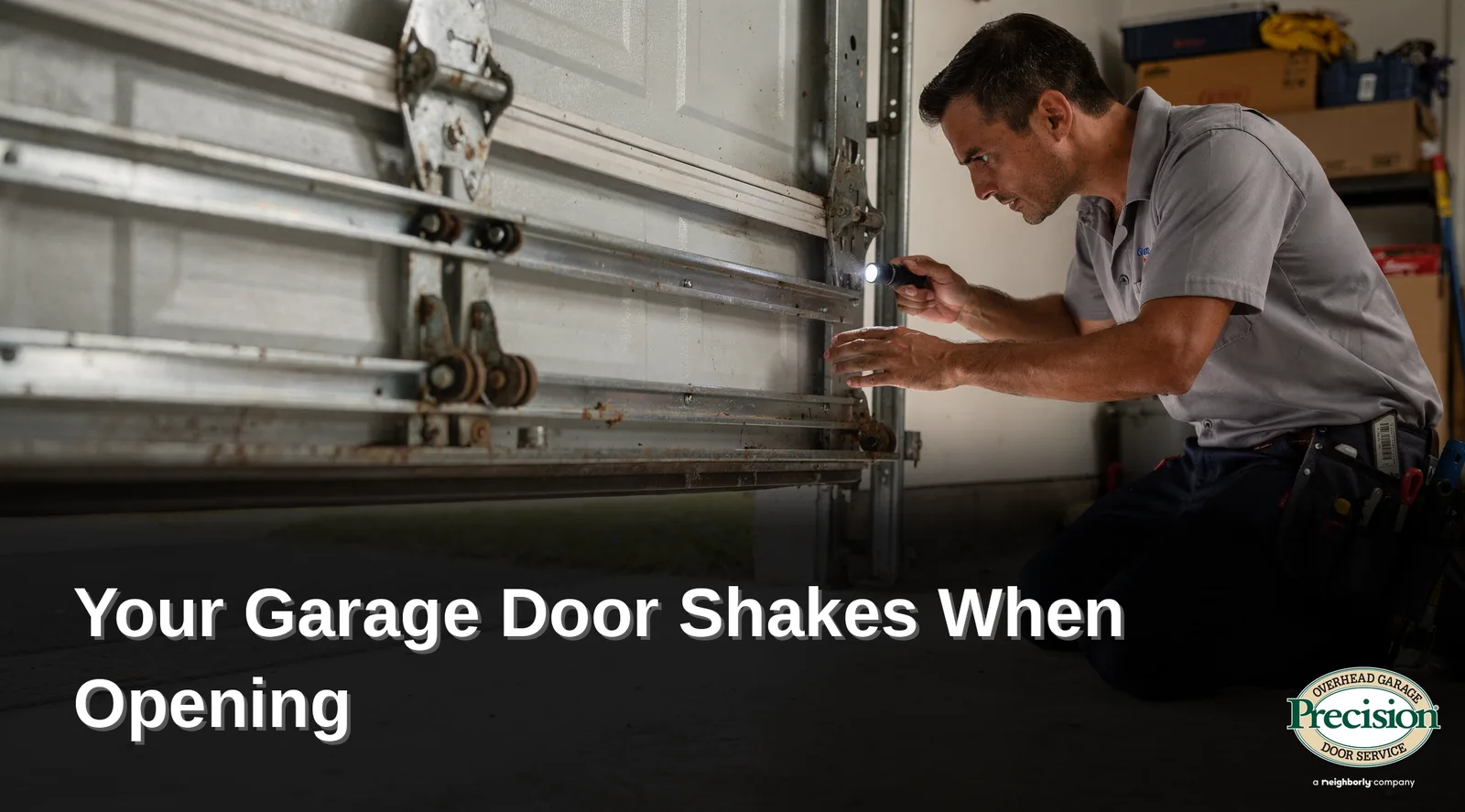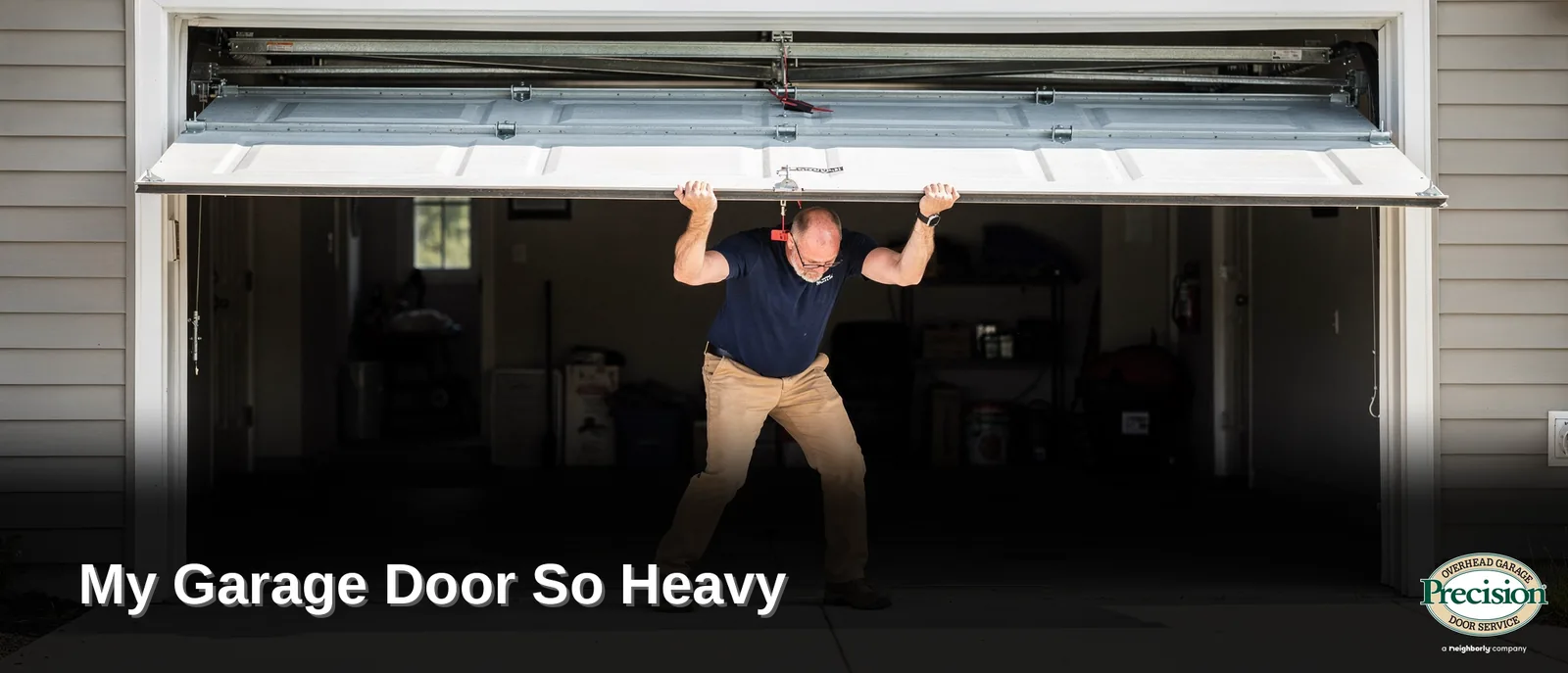

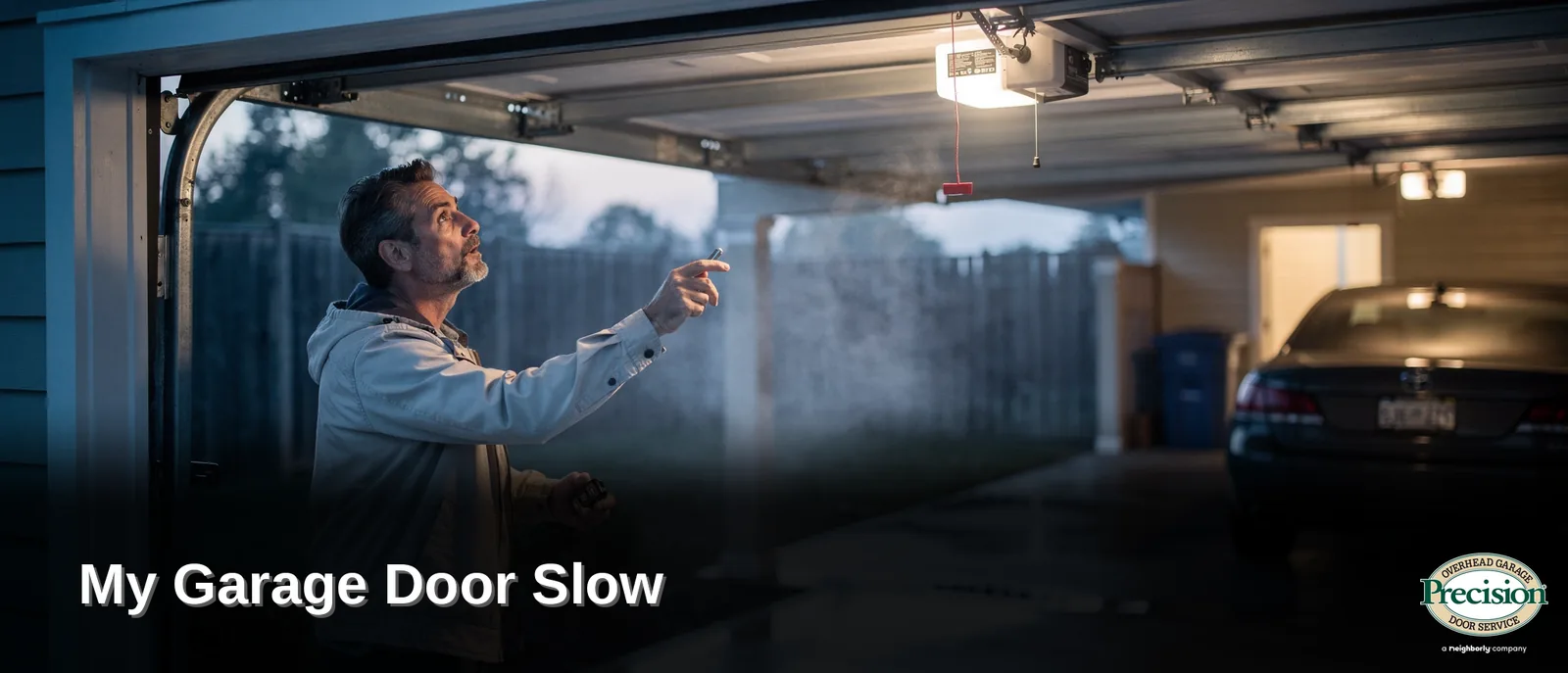
Cold overnight temperatures thicken garage door lubricant and cause metal components to contract, slowing morning operation. Precision Garage Door Service of Merced notes that stiff springs, tightened cables, and opener motors working harder in cool air often create sluggish movement. Homeowners noticing this pattern should schedule a professional insp
Why Is My Garage Door Slow in the Morning?
Cold overnight temperatures and dried-out lubrication, combined with mechanical wear, can make a garage door opener sluggish by sunrise. A garage door functions as a connected system, so several components working together determine whether the door glides or drags. When one part struggles, the whole system slows down, and mornings tend to expose these weaknesses first.
What Causes a Garage Door to Move Slowly in the Morning?
Poor lubrication is one of the most common reasons homeowners notice a garage door opens slowly in cold weather. Hinges, rollers, and tracks stiffen overnight. Without adequate garage door lubricant cold weather products applied regularly, friction builds, and the door struggles to gain momentum. Garage door spring tension also shifts with temperature changes, adding resistance right when the door needs to lift a full overnight chill.
Is a Slow Garage Door a Sign of a Bigger Problem?
Sluggish movement often signals developing garage door problems rather than a one-time glitch. A malfunctioning door compromises home security and throws off a household’s entire morning routine, from getting kids to school to leaving for work on time. Ignoring the slowdown risks bigger mechanical failures down the road.
Common culprits behind why my garage door is slow in the morning include:
- Dried or thickened lubricant on hinges, rollers, and tracks
- Spring tension affected by overnight temperature drops
- Worn rollers creating added resistance
- Track misalignment that forces the opener to work harder
Precision Door of Merced, based in Merced, CA, helps local homeowners diagnose these morning slowdowns before they turn into full breakdowns. Addressing lubrication and spring tension early keeps the system running smoothly, no matter how cold the night gets.
What Causes a Sluggish Garage Door Opener?
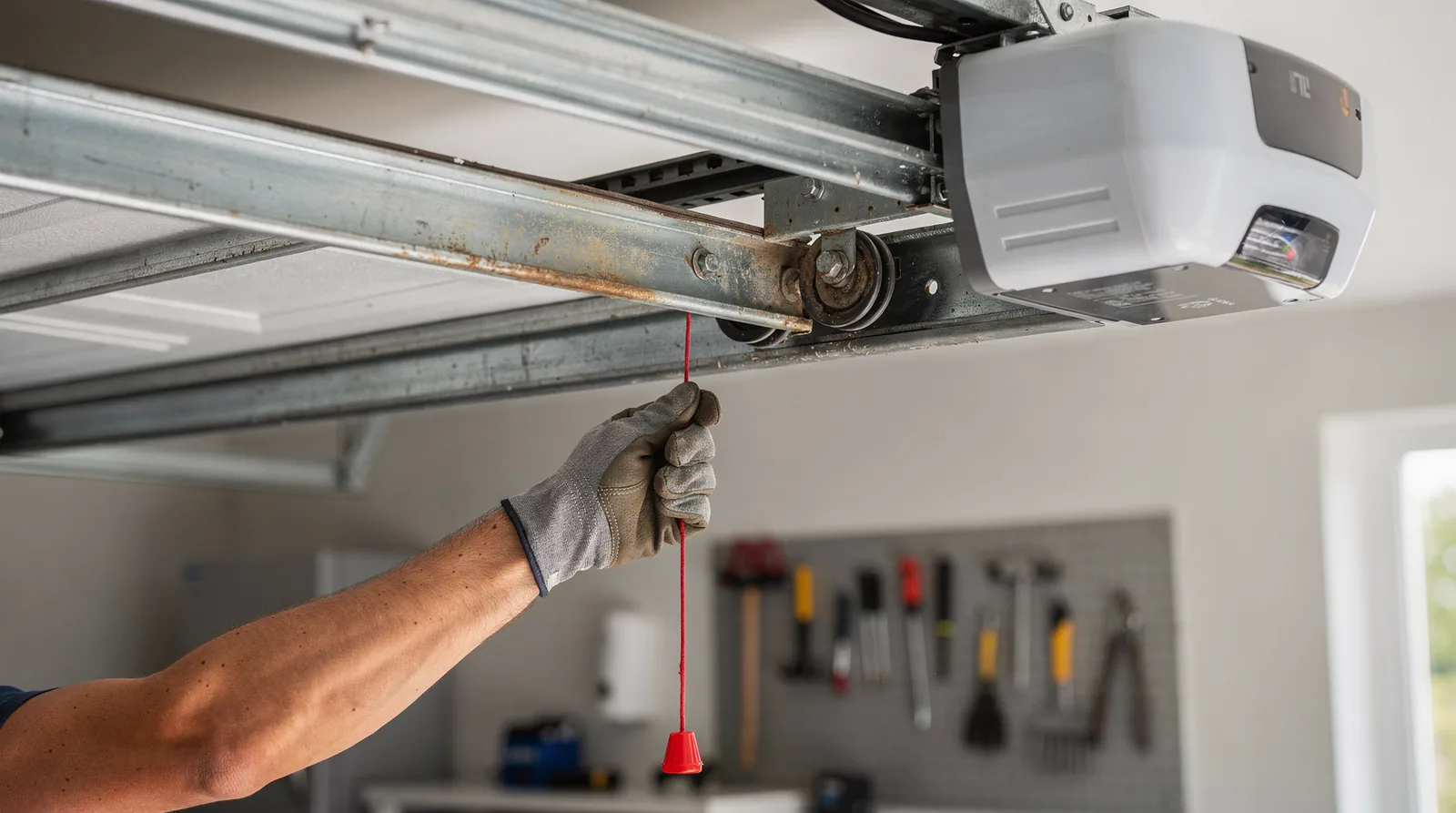
Multiple components working together determine how fast a garage door opens and closes. If any one falls out of alignment, it slows the whole system down. A sluggish garage door opener rarely stems from a single broken part. Several distinct pieces of hardware share the workload, and wear in one spot forces the rest to compensate.
Springs and hinges take the brunt of daily use. Over months and years, these parts wear down, stretch, or break outright. That gradual decline shows up as a door that hesitates or drags before it starts moving. Homeowners noticing new resistance during garage door morning problems are often watching worn springs or hinges struggle to do a job they used to handle without effort.
Does lack of maintenance make sluggishness worse?
Yes. When a garage door hasn’t received regular maintenance, worn components tend to reach the point where replacement becomes the only real fix. Skipping upkeep doesn’t just delay a problem; it compounds the wear on springs, hinges, and rollers until the door struggles every time it’s used.
Does the age or material of the door matter?
Age and material both matter. Older wooden doors and newer insulated steel doors across the Merced area face the same underlying pressures from time, weather, and daily wear, just in different ways. Common contributors include:
- Worn or fatigued springs affecting garage door spring tension
- Dried-out hinges and rollers lacking proper lubrication
- General material fatigue from years of daily cycling
- Weather exposure affecting older wooden panels differently than steel
Each factor narrows down where a technician should look first when diagnosing a slow-moving door.
Does Cold Weather Really Slow Your Door?
Yes, cold temperatures genuinely affect how a garage door performs. Answering why my garage door is slow in the morning starts with a simple mechanical fact: hinges, rollers, and springs need to glide smoothly, and cold air thickens the grease coating those parts, adding friction that slows everything down. This explains why a garage door opens more slowly in cold weather than in warmer months. A homeowner who ignores this pattern risks turning a minor stiffness issue into a bigger mechanical strain over time.
Why Does My Garage Door Struggle Only on Cold Mornings?
Overnight temperature drops leave grease and lubricant thicker than they need to be, and thickened lubricant resists movement until the system warms slightly. That resistance often shows up as a sluggish garage door opener that groans or hesitates on the first cycle of the day. As parts warm through use, the same door frequently loosens up and runs closer to normal by afternoon.
Does Fixing This Take More Than Lubrication?
Sometimes, yes. A fresh application of garage door lubricant cold weather conditions call for—specifically a silicone-based formula—restores smoother movement in most stiff systems. But cold isn’t the only stress factor worth checking:
- Garage door spring tension can shift as metal contracts in low temperatures, adding extra load to the opener.
- Extreme heat causes similar strain in the opposite direction, proving temperature swings in either direction force the opener to work harder than it should.
- A door that shakes, moves unevenly, or struggles at any time of year signals a mechanical issue beyond simple cold-weather stiffness.
Because a garage door serves several essential functions protecting the home, storing belongings, and maintaining curb appeal, recurring garage door morning problems deserve prompt attention rather than a wait-and-see approach.
How Do Springs and Tension Affect Speed?
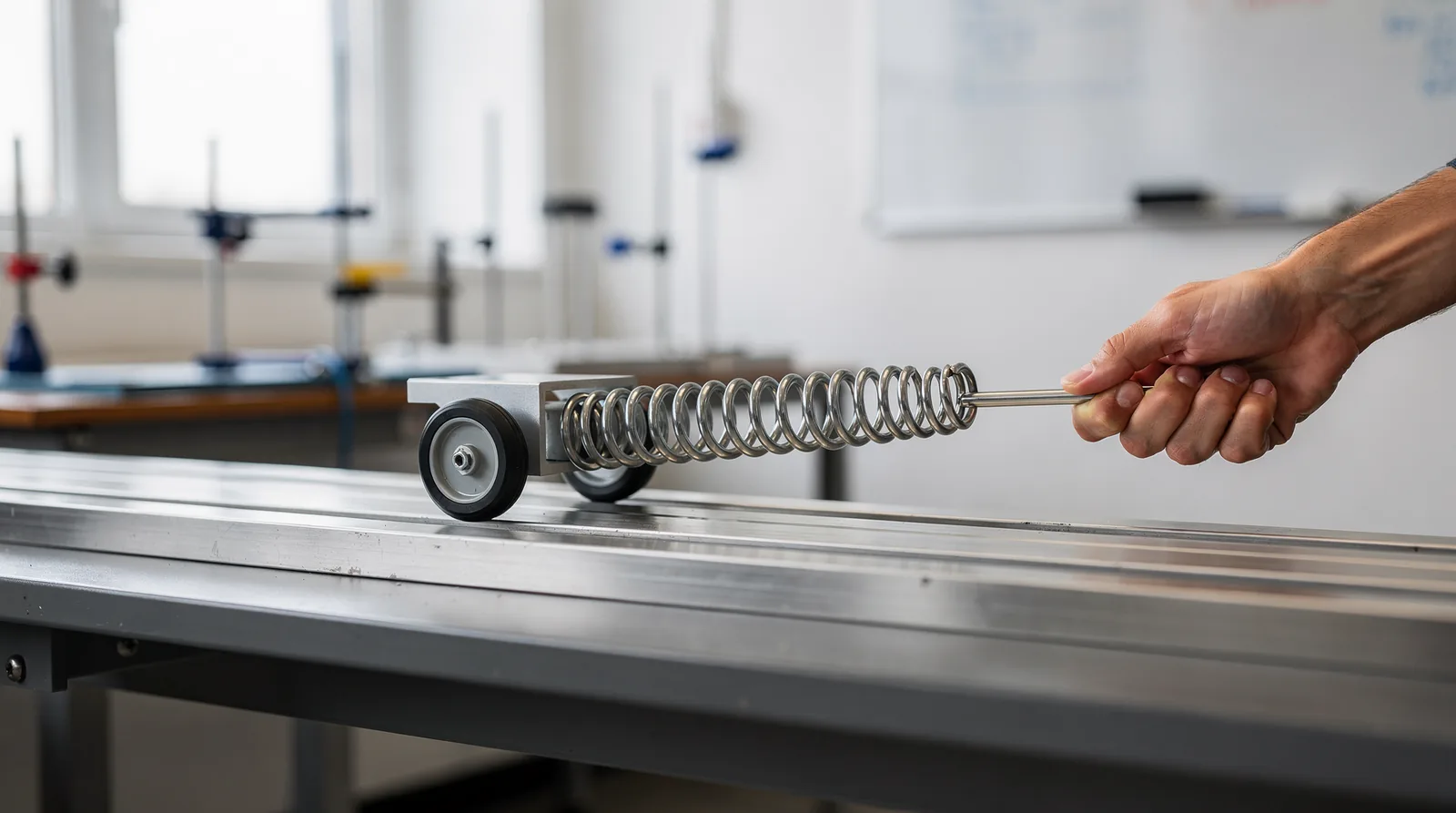
Garage door spring tension determines how much lifting power the opener needs to move the door. Torsion and extension springs carry the bulk of the door’s weight, so improper tension forces the motor to work harder and slows the whole cycle. A door that hesitates, jerks, or crawls along the track often points straight back to the springs rather than the opener itself.
Checking balance and testing for resistance is the recommended first step whenever a door feels sluggish or hangs mid-cycle. Homeowners can disengage the opener and lift the door by hand halfway. A correctly tensioned, well-balanced door rolls smoothly through that motion without dragging or catching.
What does a poorly balanced door feel like?
A poorly balanced door resists manual movement, stalls partway, or drops suddenly once released. These symptoms signal that the springs no longer match the door’s weight. Ignoring the imbalance shortens opener lifespan and increases strain on cables and rollers.
Why shouldn’t the close force setting be increased to fix slowness?
Cranking up the close force only masks a tension problem instead of solving it. The opener still fights the same resistance, just with more strength, which stresses the motor and hardware over time. Technicians recommend identifying why the force suddenly feels insufficient rather than compensating around the symptom.
Reliable spring performance traces back to installation quality. Correct installation keeps tension calibrated to the door’s exact weight and size, which is why professional setup and repair protect long-term function. Warning signs worth watching include:
- Door hangs unevenly when lifted manually
- Noticeable jerking or hesitation partway through the cycle
- Opener straining or making labored sounds during operation
When Should You Call a Professional?
Odd grinding, popping, or scraping sounds signal that a professional inspection is overdue. A door struggling through garage door morning problems day after day is rarely a coincidence. It’s a system telling homeowners something is wrong. Waiting on these signals risks turning a minor fix into a major repair, and in some cases, a safety hazard.
Is a slow garage door dangerous?
A sluggish garage door opener can point to more than a simple annoyance. Left unaddressed, worn components create real safety risks for anyone walking or driving beneath the door. Homeowners noticing consistent hesitation, shaking, or delayed response should treat the issue as a priority, not a background nuisance.
What happens if I ignore the problem?
Ignoring garage door spring tension issues or persistent slow operation puts more than convenience on the line. A properly working door protects home security, supports curb appeal, and helps preserve overall home value. Skipping professional attention chips away at all three.
Precision Door of Merced delivers swift, professional, and comprehensive solutions built to bring a struggling door back to proper working order. Homeowners should reach out when they notice:
- Grinding, popping, or scraping noises during operation
- A door that hesitates, shakes, or reverses unexpectedly
- Slow response that persists beyond cold morning hours
- Visible wear on springs, cables, or rollers
Trusting a lingering issue to resolve on its own rarely pays off. Calling in expert help early keeps small problems from becoming costly, unsafe repairs down the road.