
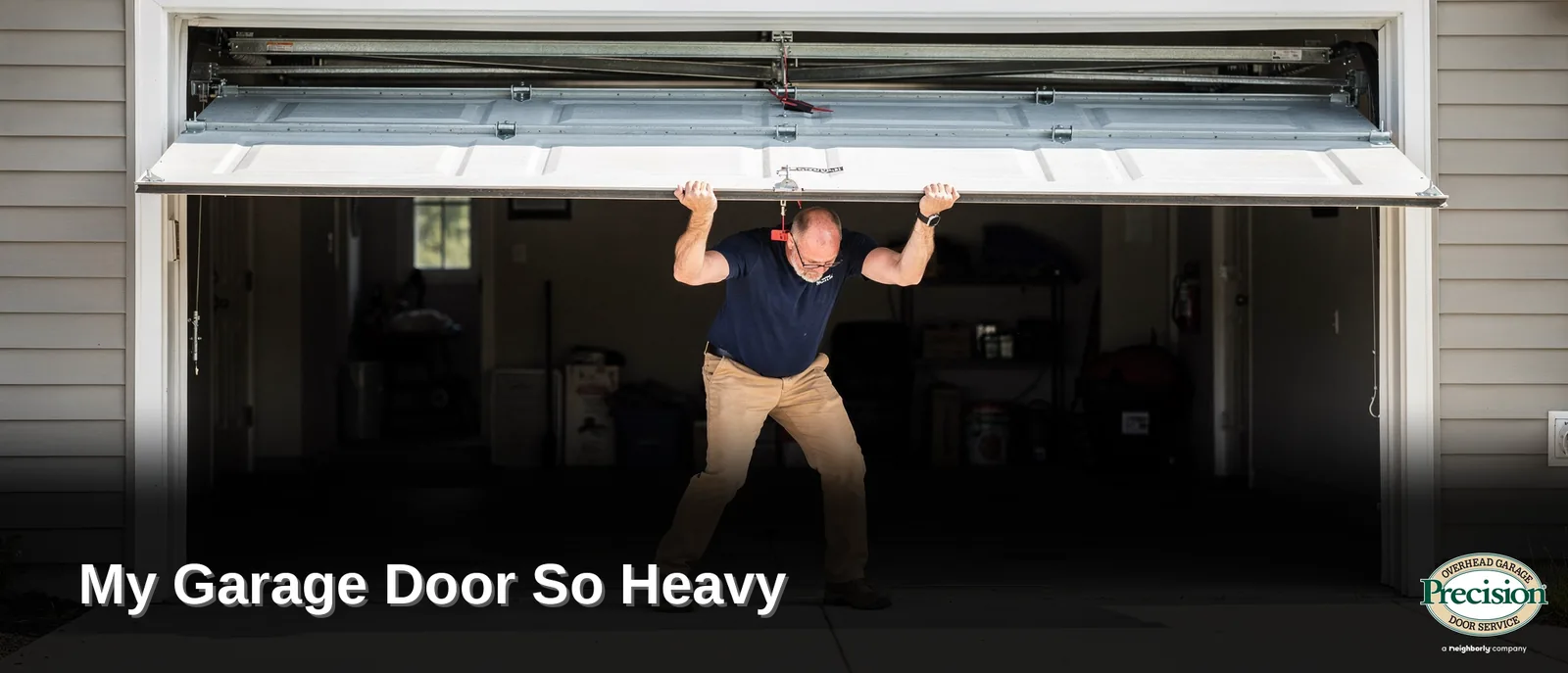
A sudden increase in garage door weight signals a broken torsion or extension spring, which normally counterbalances the door’s full weight. Openers are not built to lift that weight alone. A failed spring causes strain, stalling, or a door that moves only inches before stopping. Homeowners should stop using the opener immediately and schedule professional spring replacement.
Why Is My Garage Door So Heavy?
A sudden shift in lifting effort almost always traces back to the counterbalance system, not the opener motor. Springs, not the motor, carry the door’s weight, and when a spring fails, that weight lands entirely on whoever tries to lift the door. Homeowners searching why is my garage door so heavy are usually dealing with a mechanical failure somewhere in the balance system, not a weak or aging opener.
Torsion or extension springs counterbalance a garage door so the opener only has to guide it, not hoist it. Once a spring breaks or loses tension, the door can become too heavy for safe hand control, and the opener may strain, stall, or move only a short distance before giving up. That’s the mechanism behind a broken garage door spring heavy door situation.
Does a Broken Spring Always Cause This?
Springs are the most common culprit, but they aren’t the only one. A snapped garage door cable can produce a similar symptom. Cables work alongside the springs to keep the door balanced during travel. Bent tracks, seized rollers, or added panel weight can also throw off the balance and make lifting difficult.
Is a Heavy Door Dangerous?
Yes. A door that suddenly turns heavy or noisy can signal a deeper mechanical problem and create a real safety risk for anyone in the household. A door under uneven tension can drop unexpectedly or bind mid-track. If a garage door is heavy to lift manually, treat it as a warning sign, not a workout.
Since the garage door functions as a critical part of the home — security, curb appeal, and daily access all depend on it — a sudden change in how it lifts deserves prompt attention. Anyone facing this in the Central Valley should reach out for professional garage door repair in Merced, CA, before attempting further use.
What Does a Broken Spring Look Like?
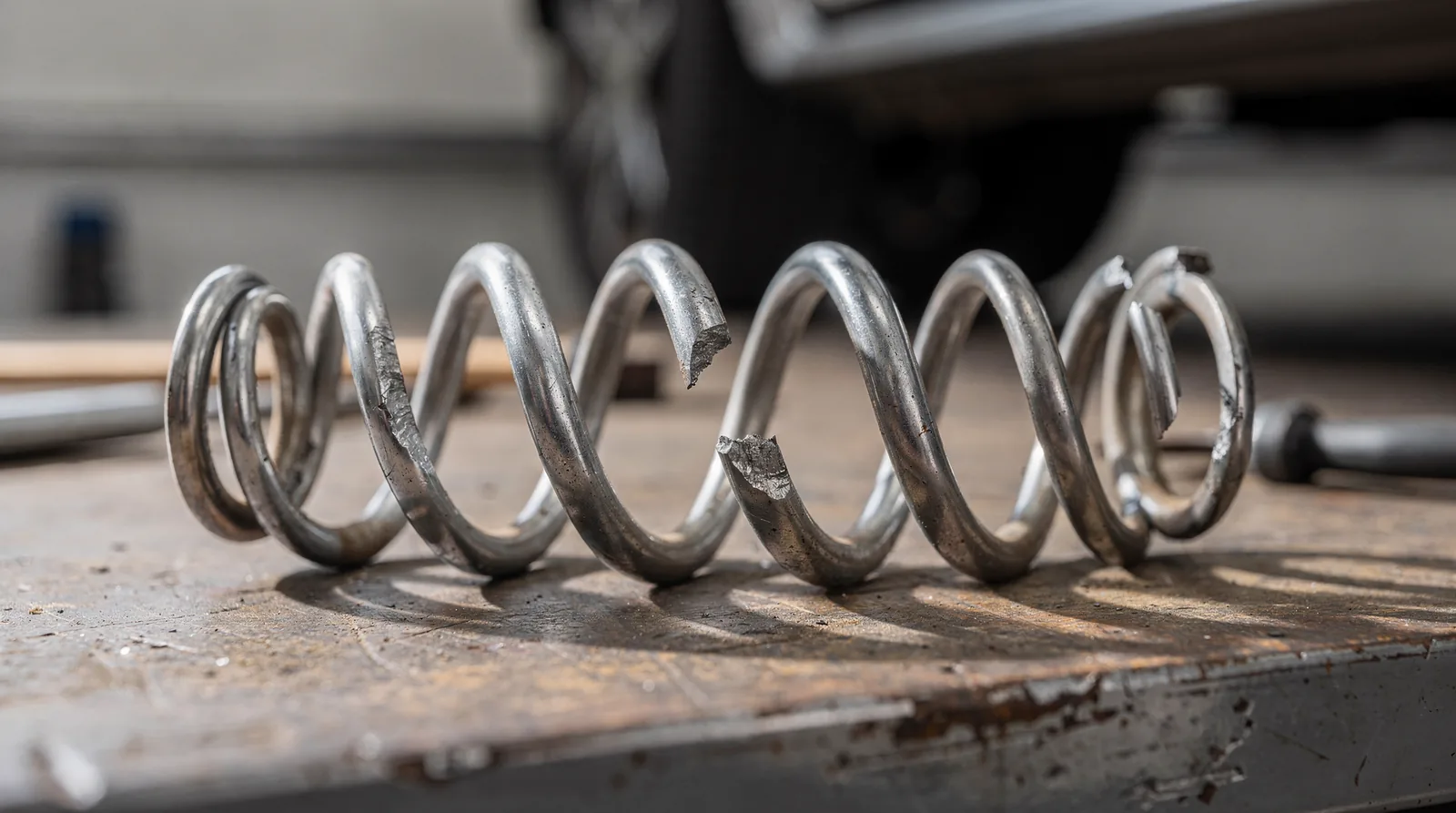
A snapped garage door spring shows up as a distinct visual clue on larger doors: a factory-applied line, usually painted white, that becomes visible once the coil fully unwinds. This mark exists so you can identify a broken garage door spring on a heavy door at a glance, without guesswork. Homeowners who notice this line stretched out rather than tightly coiled can be confident the spring has failed completely.
Springs rarely fail without warning signs building up first. Like hinges, springs are among the components that wear down gradually through years of daily use. That wear explains the common question: why is my garage door so heavy compared to when it was first installed? The counterbalance system loses strength bit by bit before it finally gives out.
Why Did My Garage Door Get Heavy Overnight?
A door that feels fine one day. Impossible to lift the next day usually points to a garage door suddenly becoming heavy because a spring has finally failed. The wear happens slowly, but the final break often feels instant. That sudden shift is a strong signal to stop using the opener until someone inspects the spring and connected hardware.
Can a Heavy Door Be Fixed Without Replacing the Spring?
Sometimes, but not always. A door lacking regular maintenance often needs actual spring or hardware replacement rather than a quick adjustment. Skipping upkeep allows small wear issues to turn into full breaks.
Homeowners can watch for:
- An unwound, visibly loose spring instead of a tight coil
- A stretched-out factory paint line on the coil
- A door that suddenly resists manual lifting
If you see any of these signs, contact garage door repair Merced, CA professionals before forcing the door open by hand.
Could a Snapped Cable Be to Blame?
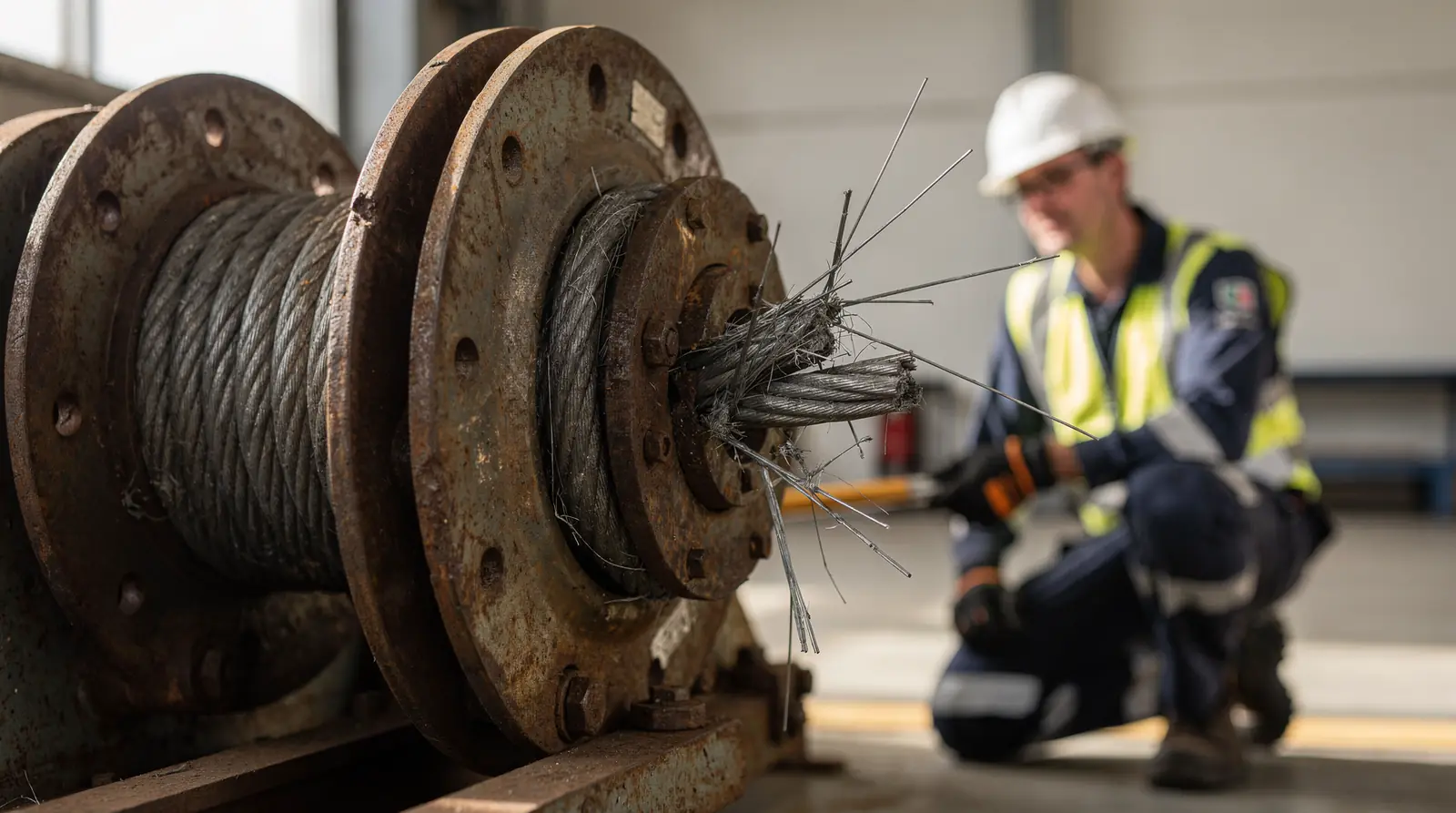
Yes, a broken or frayed cable ranks high on the list of culprits when a door turns unmanageable. In garage door cable snapped heavy door situations, this happens when one of the steel cables that works alongside the torsion springs gives out, leaving the counterbalance system unable to share the load properly. The result feels sudden: a door that lifted easily yesterday now resists every inch of manual effort.
A heavy door usually points to trouble in the counterbalance system or the hardware connected to it, and cables sit right in that chain. Homeowners searching for why is my garage door so heavy often assume a weak opener motor. Motor power never fixes a loose cable, a broken spring, a seized roller, or a bent track. Stronger horsepower simply masks the real problem while strain builds elsewhere.
Is It Always the Spring, or Could Something Else Be Wrong?
Springs get blamed first. Several separate components on a Merced garage door can cause the same heavy, grinding, or stuck feeling. A cable failure often mimics a spring failure closely enough that only a trained eye can tell the difference. Common suspects include:
- Frayed or snapped elevator cables
- Broken or unwound torsion springs
- Seized rollers
- Bent or misaligned tracks
Left unaddressed, a garage door that is heavy to lift manually creates more than an inconvenience. A malfunctioning door compromises home security and disrupts daily routines, turning a quick errand into a frustrating standoff at the curb. Professional garage door repair Merced, CA technicians identify the failed component before touching the opener, protecting both the hardware and nearby people.
Is It Safe to Lift It Manually?
Manual lifting carries real risk once a door stops behaving the way it should. Homeowners who rely on an opener often have never tried raising the door by hand. Many assume the motor was designed to carry the door’s entire weight. That assumption is what makes a sudden change in garage door weight feel so alarming when you try to lift it manually. The opener was never meant to do that job alone.
How can homeowners tell if the door is actually broken?
A properly balanced door holds its position wherever it’s set by hand, whether that’s halfway up or fully open. If the door drifts downward or falls the moment it’s released, that behavior confirms a real mechanical failure rather than a minor glitch. This test works because a functioning counterbalance system supports the door’s weight at every point, not just when it’s closed.
What should a homeowner do before attempting to force the door?
Odd grinding, popping, or scraping noises paired with resistance are signs to stop and call in professionals, not keep muscling the door open. Forcing a door that’s fighting back risks snapped hardware and possible injury.
A few signals mean manual lifting should stop immediately:
- The door won’t hold a set position on its own
- Grinding, snapping, or popping sounds accompany the resistance
- The door moves only a short distance before stalling
When these warning signs appear, Merced-area garage door repair specialists step in with either repairs or a full new installation, giving homeowners a safer path forward than continued manual effort.
Who Should Fix a Heavy Door in Merced?
A licensed, experienced technician should always handle a door that has suddenly grown difficult to lift. Certified professionals bring the training needed to diagnose a broken garage door spring heavy door situation safely, without risking injury from a component under heavy tension. Homeowners and small business owners across Merced consistently turn to trained technicians for dependable repair work rather than attempting a fix alone.
Why not just try a DIY fix first?
Springs, cables, and openers store or manage significant force, and a mishandled repair can cause sudden, serious harm. Precision Garage Door Service has built a reputation across the Merced community for reliable service and skilled workmanship over more than two decades. That kind of experience matters most when a garage door heavy to lift manually signals a hidden hardware failure rather than a simple adjustment.
Certified technicians handle the full range of issues tied to a heavy or stuck door, including:
- Broken or worn torsion and extension springs
- A garage door cable snapped in a heavy-door condition
- Seized or damaged rollers
- Bent tracks or opener malfunctions
What happens if you put the repair off?
Delaying service on a jammed or heavy door rarely makes the problem go away. Small issues left unaddressed tend to grow into larger, costlier repairs down the road. Acting quickly protects both the door and the people using it every day.
For garage door repair in Merced, CA, residents can count on Precision Door Merced, which positions its team as the trusted local resource. Swift, professional, and comprehensive solutions aim to restore a door to safe working condition quickly, rather than leaving homeowners to guess at the cause on their own.