
Why Your Garage Door Won’t Open
Why Your Garage Door Won’t Open: Troubleshooting Garage Door Opener, Springs, Sensors, and Cables
Having trouble with your garage door not opening can be incredibly frustrating. Various factors contribute to this issue, ranging from garage door opener failures to problems with springs, sensors, or cables. This article aims to guide you through the common reasons why your garage door may fail to open and how you can troubleshoot these problems effectively. By understanding the mechanisms involved, homeowners can better diagnose issues and know when to seek professional help.
This guide will cover several areas, including specific problems related to the garage door opener, the role of springs, the function of sensors, and the importance of cables. Additionally, we will discuss practical troubleshooting strategies to help you identify and potentially fix these common issues on your own. Understanding these components and their functions will empower you to address garage door problems confidently.
Garage Door Opener Issues
The garage door opener is a vital component in ensuring that your garage door operates smoothly. If your garage door is not opening, it’s essential to start by examining the opener. Here are some common issues to consider:
- Check Power Supply Issues: Ensure the opener is plugged in and that there are no blown fuses or tripped circuit breakers.
- Ensure the Mechanism is Not Disconnected: Inspect the opener’s connection to the door, ensuring that it is not loose or detached.
- Adjust Limit and Force Settings: Sometimes, the settings may need calibration to allow the door to open properly.
By starting with these steps, you can often identify whether the issue lies within the garage door opener itself.
Role of Springs
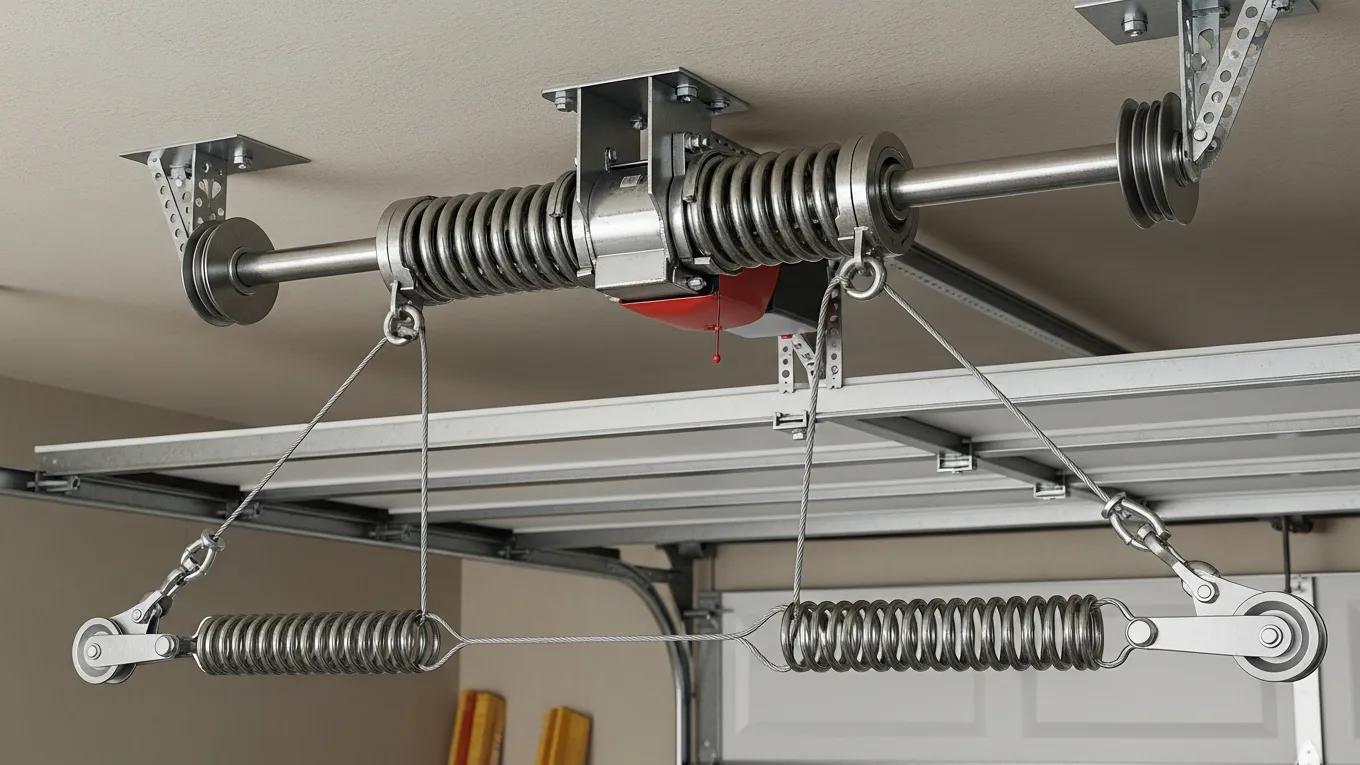
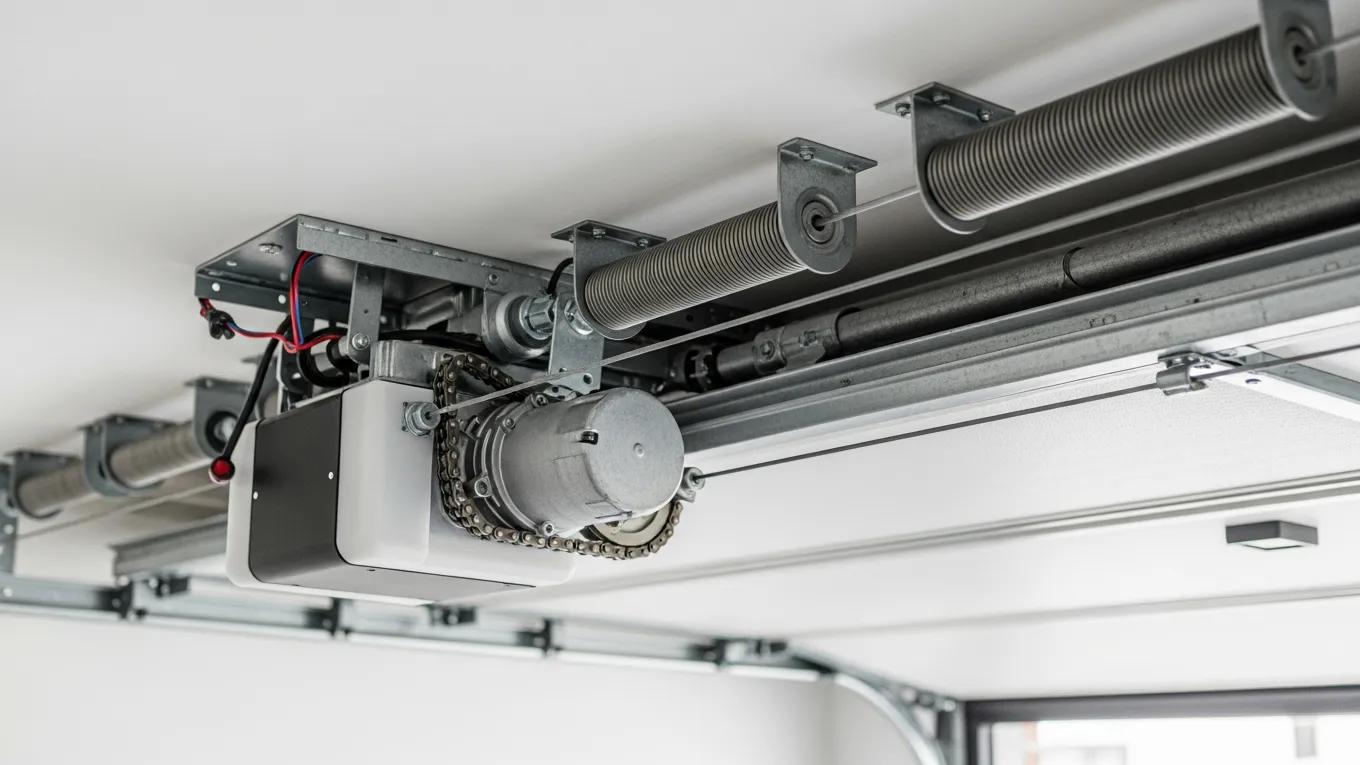
Springs play a crucial role in the operation of garage doors. They provide the necessary tension and counterbalance, enabling the door to open and close smoothly. Here are a few key points to understand about garage door springs:
- Types of Springs: There are primarily two types of springs used in garage doors—extension springs and torsion springs, each serving the same purpose but operating under different mechanisms.
- Common Issues with Springs: A broken or worn-out spring can prevent your garage door from opening, as it can lose tension required for proper function.
- Recognizing Spring Problems: Signs include loud noises when opening or closing the door, a noticeable imbalance, or the door falling quickly when slightly opened.
Proper maintenance and timely replacement of springs are essential for the effective functioning of your garage door. For issues specifically related to broken garage door springs, consult specialized guides for accurate diagnosis and repair.
A deeper dive into the mechanics and physics of garage door springs further emphasizes their critical role in the door’s operation.
The Physics and Mechanics of Garage Door Springs
Pushing a button to open your garage door before going to work seems trivial until the motor fails to lift the door. There are various explanations for a garage door malfunction, but this paper will focus on the most common of them all—a broken spring. Inspired by the fact that garage door technicians must match the right spring to the appropriate garage doors, this project produced a spring conversion calculator. This paper provides a preface and comprehensive explanation of the mechanisms of overhead garage doors. Initially, it introduces the garage door and its components, then provides a detailed explanation of a door’s lifting mechanisms, and lastly, elaborates on spring theory, focusing on the physics and calculations of spring properties. The physics behind garage door springs, 2017
Function of Sensors
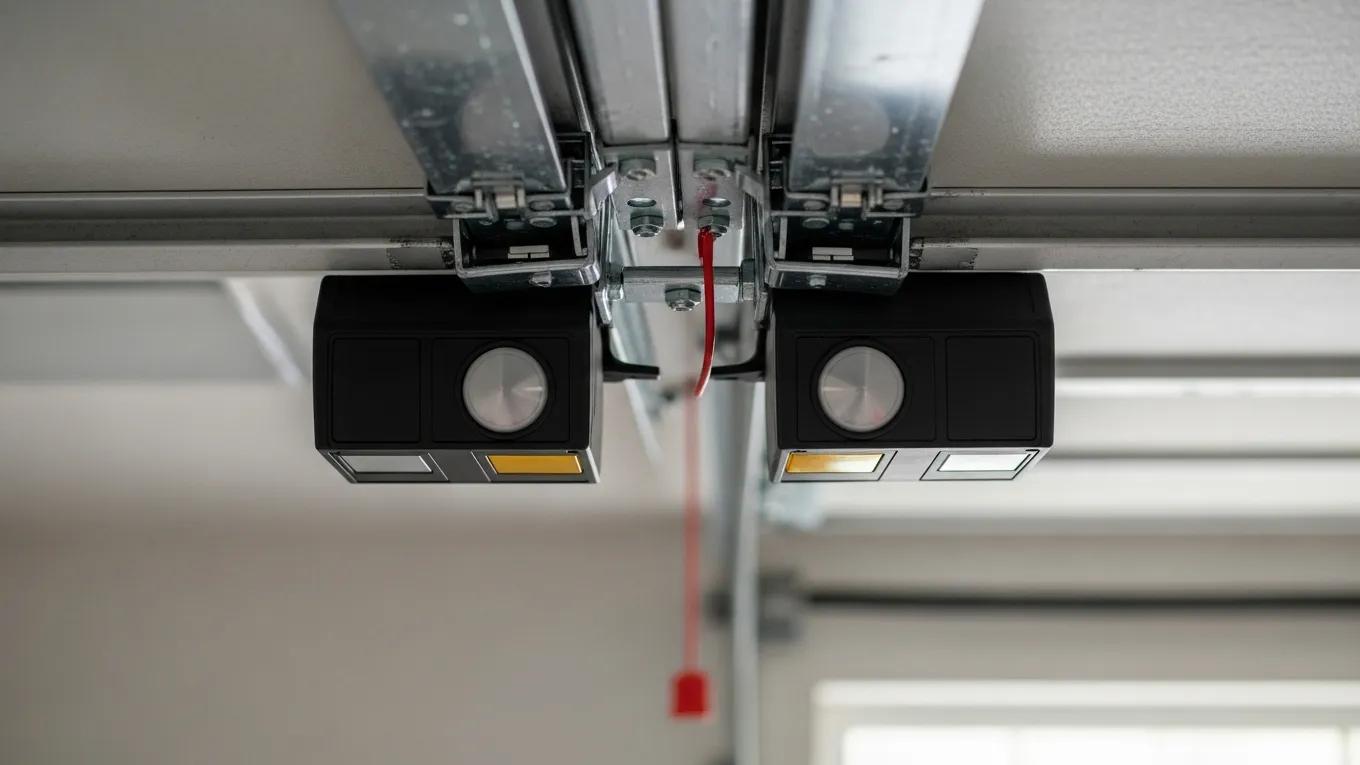
Sensors are integral to the safe operation of garage doors, primarily ensuring that the door stops closing when an obstruction is detected. Understanding sensor functionality is essential for troubleshooting:
- Safety Role of Sensors: Sensors protect against accidents by detecting objects in the door’s path, ensuring your garage door doesn’t close on anything unexpectedly.
- Common Malfunctions: Issues can arise from dirt covering the sensors, misalignment, or worn-out components, leading to the door not opening as intended.
- Maintenance Tips: Regularly clean the sensor lenses and check their alignment to ensure they function correctly.
By ensuring that the sensors are clean and properly aligned, you can prevent some common garage door issues from occurring.
Importance of Cables
Cables assist springs in lifting the garage door, and they also play a significant role in the safety and stability of the door’s operation. Here’s what you need to know:
- Types of Cables: Most garage doors use steel cables to work in conjunction with the springs.
- Wear and Tear: Cables can fray or break over time, which can cease the operation of the door or result in dangerous situations.
- Inspection Tips: Regularly inspect your garage door cables for signs of wear, such as fraying or rust, to avoid unexpected malfunctions.
Properly maintained cables contribute to the overall effectiveness and safety of your garage door system. When experiencing issues with these critical components, understanding garage door rollers and cables is essential for proper maintenance and repair.
Troubleshooting Strategies
When your garage door is malfunctioning, being methodical in your troubleshooting approach can save you time and frustration. Here are strategies to help homeowners troubleshoot their garage doors effectively:
- Inspect Springs for Issues: Check both torsion and extension springs for damage or signs of wear.
- Check Tracks and Rollers: Ensure that the tracks are clean and free of obstructions, and lubricate the rollers to avoid sticking.
- Test Safety Sensors: Ensure the sensors are aligned, and functioning properly to allow the door to open and close correctly.
By methodically inspecting these components, you can often identify the source of the problem.
Component | Symptoms | Solution
Proper troubleshooting can prevent small issues from escalating into more significant problems, facilitating safety and functionality for garage doors.
What Are the Most Common Causes When a Garage Door Won’t Open?
Several factors can cause a garage door to fail to open:
- Malfunctioning Openers: Opener issues can stem from electrical failures or mechanical malfunctions.
- Broken Springs: As mentioned, broken or worn springs are a common issue preventing garage door operation.
- Sensor Problems: Misaligned or dirty sensors can disrupt the opening mechanism.
Recognizing these causes will help you address the problem effectively without unnecessary repairs.
How Do Broken Garage Door Springs Prevent the Door from Opening?
When garage door springs fail, they can’t provide the necessary balance and tension required for the door to operate. This scenario leads to several noticeable symptoms, including:
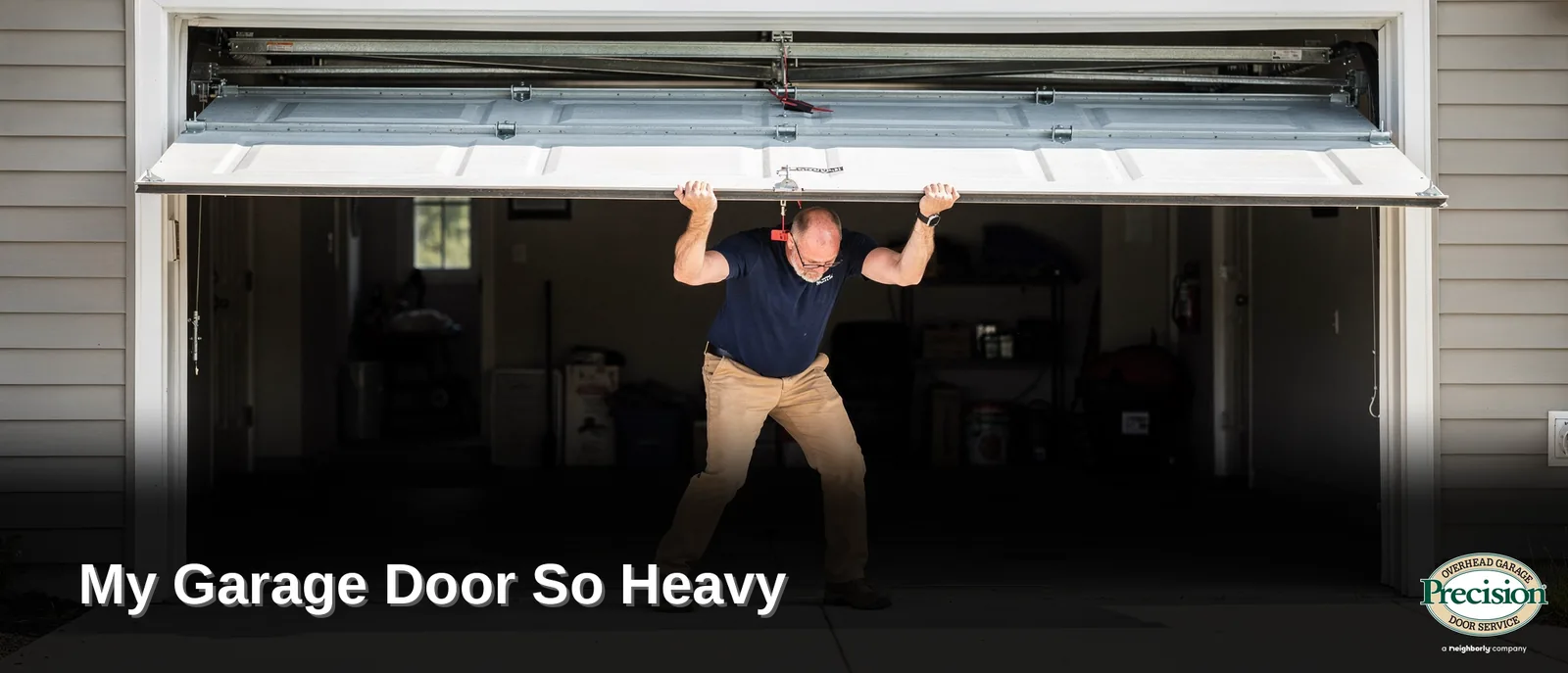
- Inability to Lift the Door: A door that feels excessively heavy or won’t budge is often a strong indicator of spring failure.
- Distorted Door Shape: If the door appears crooked or uneven, springs may have snapped or lost significant tension.
Understanding how springs function and what signs to look for can help you identify issues early, allowing for timely repairs.
What Role Do Cables and Rollers Play in Garage Door Malfunctions?
Cables and rollers are essential for the smooth operation of garage doors:
- Roles of Cables: They work together with springs to lift the door and maintain its balance. Broken cables can lead to sudden door drops.
- Issues with Rollers: Cables can become entangled in damaged rollers, which can halt door movement entirely and lead to more severe damage.
Regular inspections of cables and rollers prevent these issues, ensuring a reliably functioning garage door.
How to Diagnose and Fix Garage Door Opener Problems?
Diagnosing garage door opener issues can often be done through systematic steps:
- Check Safety Sensors: Ensure they are aligned and functioning properly.
- Inspect Tracks and Rollers: Look for obstructions or breaks that could prevent movement.
- Test Door Balance: Manually lift the door halfway; if it falls, the springs may need attention.
By implementing these steps, homeowners can typically identify and rectify common opener problems, ensuring safety and functionality. For comprehensive garage door repairs, professional services are often the most reliable solution.
Why Is My Garage Door Opener Not Responding and How Can I Reset It?
There are several reasons why a garage door opener may become unresponsive. Common causes include:
- Power Issues: Check the power supply and ensure everything is connected correctly.
- Remote Control Problems: Verify that the batteries in your remote control are functioning properly and replace them if needed.
- Resetting the Opener: If other solutions fail, consult your user manual for specific reset instructions tailored to your model.
Following these steps can often restore functionality to your garage door opener.
What Are Common Garage Door Sensor Problems Affecting Opening?
Some specific issues with sensors can lead to malfunctioning garage doors:
- Obstructions: Any foreign objects blocking the sensor’s view will prevent the door from operating correctly.
- Misalignments: Ensure the sensors are positioned correctly on either side of the door track.
- Dirt Accumulation: Regular cleaning is necessary to maintain sensor functionality.
These sensor-related issues can be simple to resolve with proper attention and maintenance.
What Should You Know About Emergency Garage Door Release Methods?
In situations where your garage door is stuck, knowing how to use the emergency release can be beneficial. Key points include:
- Locate the Release Mechanism: Typically, there will be a red cord hanging down from the garage door opener; pulling this will disengage the door from the opener.
- Safety Precautions: Ensure the area is clear before manually lifting the door, as it may drop unexpectedly.
Familiarizing yourself with the emergency release mechanism can provide peace of mind should a malfunction occur.
How Can You Manually Open a Garage Door That Is Stuck Closed?
If your garage door has become stuck closed, here’s how to open it manually:
- Confirm Safety: Ensure that there are no obstructions or hazards in the way.
- Use the Emergency Release: Pull the red cord to disconnect the door from the opener mechanism.
- Lift the Door: With the door disconnected, attempt to lift it manually. If it is too heavy, consult a professional.
Following these steps can assist you safely in handling a stuck door until it can be properly serviced.
When Is It Time to Call a Professional for Garage Door Cable Repair or Spring Replacement?
Recognizing when to solicit professional help is crucial in maintaining safe garage door function. Signs include:
- Signs of Broken Springs: If you notice that the door is sagging or one side is lower than the other, it’s likely time to replace the springs.
- Indications of Damaged Cables: If the cables look frayed or are hanging loose, don’t attempt to repair yourself, as it can lead to serious injury.
When in doubt, hiring a professional to address these issues can ensure your garage door is safe and functional.
What Are the Signs Garage Door Cables Need Repair or Replacement?
Monitoring cables for signs of wear is crucial for safe operation. Common indicators that cables require attention include:
- Fraying or Damage: Inspect cables for visible signs of wear or fraying that could lead to failure.
- Uneven Door Movement: If you observe that one side of the door opens slower or seems “off,” cables may be malfunctioning.
Regular inspections can prevent severe malfunctions and ensure the safe functioning of your garage door.
How Do Professional Services Diagnose and Repair Common Garage Door Failures?
Professional garage door services typically follow an established diagnostic process, including:
- Inspection Procedures: They will examine the door, opener, springs, cables, and sensors for any defects or wear.
- Common Repair Strategies: This may involve tightening or replacing springs, adjusting the opener or tracks, and realigning sensors as needed.
Using professionals can ensure that problems are thoroughly resolved, enhancing safety and longevity of your garage door system. For a wide range of garage door parts and accessories, consider specialized suppliers.
For persistent or complex issues, seeking expert help ensures that repairs are carried out safely and effectively. Visit Precision Door Service for reliable solutions.