
Few things disrupt a morning faster than a garage door that refuses to move. You press the button, nothing happens, and suddenly your vehicle is trapped, your schedule is thrown off, and the frustration sets in before you have had a chance to think through the problem clearly. In Merced, this situation happens more often than most homeowners expect.
A stuck garage door almost always has a specific cause. The problem could be a broken spring, a dead opener, sensors blocked by dust, or a door that has come off its track after months of gradual wear. Some causes have simple fixes that a homeowner can handle safely in a few minutes. Others require professional service before the door moves again without causing further damage.
This guide explains the most common reasons a Merced garage door gets stuck, what each cause looks like, and exactly what to do when it happens to you.
Why Merced Homes Deal With This Problem More Often
The San Joaquin Valley’s climate creates conditions that push garage door components toward failure faster than most homeowners anticipate. Summer temperatures regularly exceed 100 degrees, causing metal springs and cables to expand and contract through thermal stress cycles every single day. That constant movement weakens components gradually until one cycle is finally one too many and the system stops responding entirely.
Agricultural dust settles into every gap, bearing, and track channel throughout the year. A door that ran smoothly in spring can develop binding, grinding, and resistance by late summer as dust accumulates in the places where lubrication is used to keep clean. Sensors coated in fine valley dust misread their environment and prevent the door from completing its cycle even when every mechanical component is working correctly.
Winter fog adds moisture to metal surfaces that dry summer air left unprotected. Springs and cables exposed to repeated fog cycles develop rust that stiffens their movement and reduces the tension they can safely maintain. A door that moves sluggishly through late fall often stops completely by midwinter when rust and cold combine with the accumulated wear from the previous summer. Understanding these conditions helps Merced homeowners recognize that a stuck door is rarely a random event. It is usually the end result of common garage door problems that were building for months before the final failure arrived.
Most Common Reasons Your Garage Door Is Stuck
Each cause of a stuck door produces specific symptoms that point directly to the source. Identifying the right cause leads immediately to the right response. Here is what to look for when your Merced garage door stops moving.
Broken Torsion Spring
A broken spring is the most common reason a garage door suddenly refuses to open. Springs carry the full weight of the door, and when one snaps, the door becomes too heavy for the opener to lift alone. The failure usually announces itself with a loud bang before the door goes completely unresponsive. Visible gaps in the spring coil above the door confirm the diagnosis. Worn, broken springs require immediate professional replacement because the tension stored in these components makes any amateur handling genuinely dangerous.
Dead or Disconnected Opener
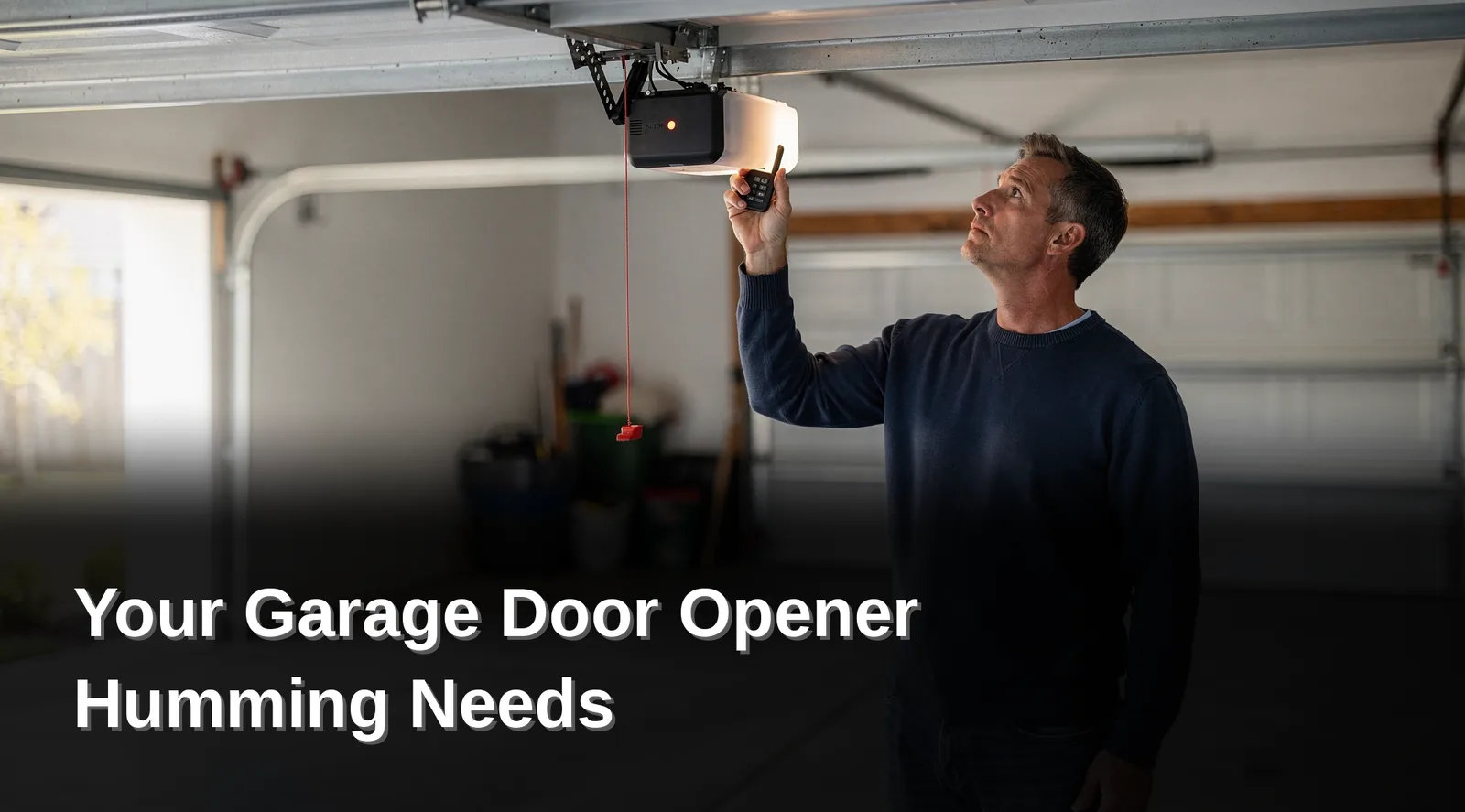
When the motor runs, but the door stays still, the drive mechanism has likely disconnected or worn through. A grinding motor with no door movement points to a stripped gear inside the opener unit. If the motor stays completely silent after pressing the remote or wall button, check the power supply, the circuit breaker, and the outlet before assuming the opener itself has failed. Sometimes the red emergency release cord is accidentally pulled, disconnecting the door from the automatic drive system without any mechanical failure.
Blocked or Misaligned Sensors
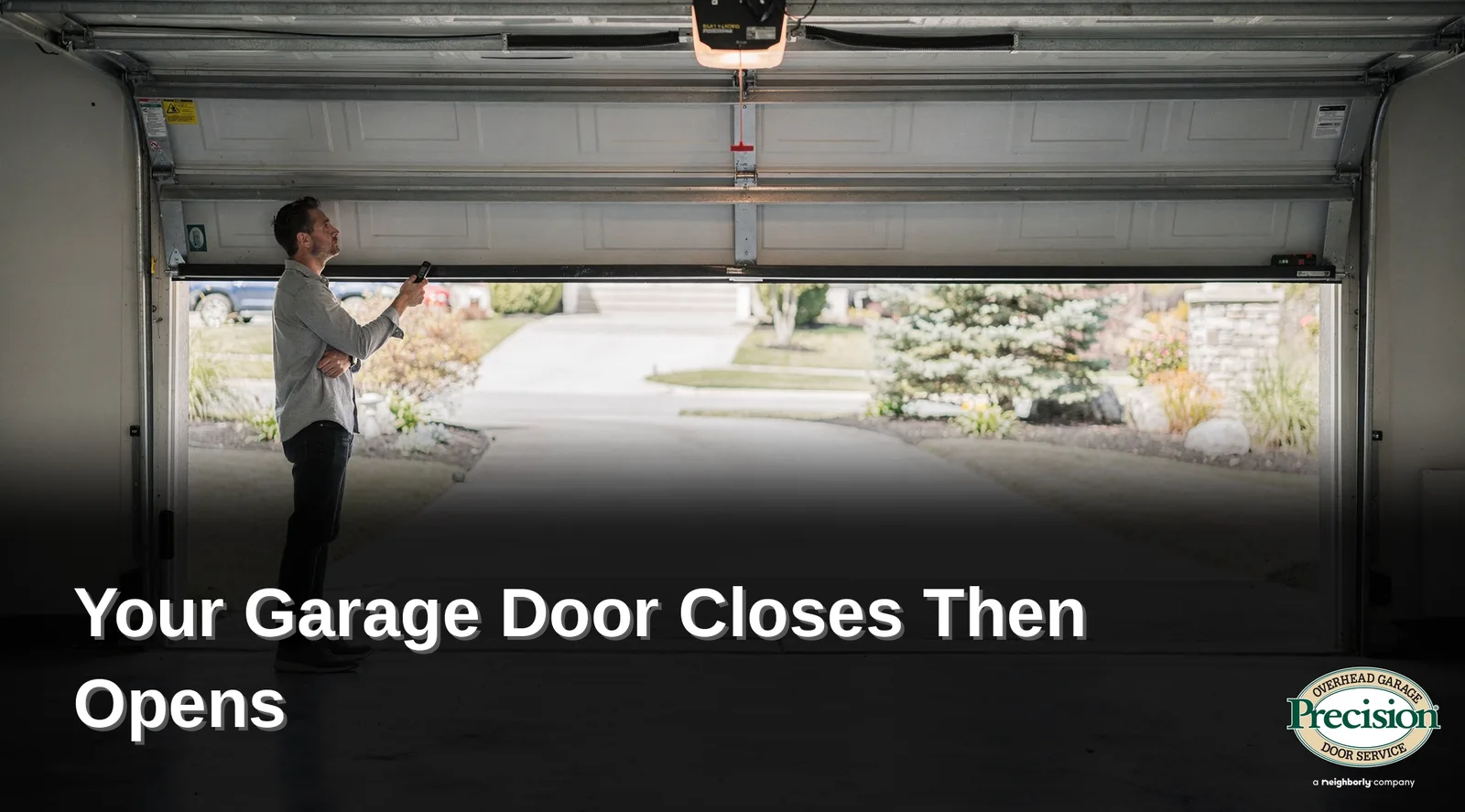
Safety sensors sit at the base of the door frame and send a beam across the opening. When that beam is broken or the sensors drift out of alignment, the door refuses to close and often reverses immediately after any downward movement. Merced’s agricultural dust constantly settles on sensor lenses, creating the same effect as a physical obstruction. Wiping each lens clean with a dry cloth and confirming both sensors point directly at each other resolves most sensor-related stuck door situations without any professional involvement.
Door Off Its Track
A door that has jumped its track sits visibly crooked in the frame and cannot travel its full path in either direction. This happens after an accidental vehicle impact, a snapped cable, or months of gradual misalignment from worn rollers and loose hardware. A door stuck off its track should never be forced open or closed manually. Doing so bends the frame, damages the panels, and puts anyone nearby at risk from a door moving unpredictably under uneven tension. Professional realignment corrects the root cause and restores safe movement without creating additional structural damage to the surrounding frame.
Frozen or Seized Hardware
Winter fog in the Central Valley leaves moisture on metal surfaces that freezes overnight during the coldest weeks of the season. Hardware that operates freely in the afternoon can freeze completely by early morning after a hard freeze. Hinges, rollers, and cable drums all absorb that moisture and restrict movement when temperatures drop. Applying a dedicated garage door lubricant to all moving parts before the cold season begins helps prevent most freeze-related stuck-door situations from developing in the first place.
Remote or Power Issue
Before assuming a mechanical failure has occurred, rule out the simplest causes first. A dead remote battery, a tripped circuit breaker, or a power outage can make a fully functional garage door system appear completely broken. Replace the remote battery, check the breaker panel, and try the wall-mounted button before investigating mechanical components. These basic checks resolve a surprising number of stuck door calls across Merced every season.
Identifying the correct cause quickly prevents the kind of forced handling that turns a manageable problem into a costly one. Each of these situations has a clear next step that either resolves the issue immediately or confirms that professional service is needed before the door moves again safely.
What to Do Immediately When Your Door Gets Stuck
The right response in the first few minutes after a door gets stuck makes a significant difference in how much the situation costs to resolve. Acting quickly and correctly limits how far any damage spreads. Stop pressing the remote repeatedly when the door is not responding. Every attempted cycle against a stuck or broken system puts additional stress on the opener motor and any components still under tension.
Disconnect the opener from the door using the red emergency release cord if the door is in the fully closed position and you need to operate it manually while waiting for a technician. Pull the cord straight down to disengage the drive carriage and allow the door to be lifted by hand. Only do this when the door is fully closed and confirmed balanced, since a door with a broken spring will drop immediately when released from the automatic drive without spring support holding it up.
Secure the area around the door and keep children and vehicles away from the immediate opening until a technician arrives. A door under failing tension, off its track, or missing spring support can shift or drop without warning. Addressing what to do when your garage door won’t open before a situation becomes urgent gives every Merced homeowner a clear action plan for the moment it actually happens.
Why Forcing a Stuck Door Always Makes It Worse
The temptation to push, pull, or pry a stuck garage door into moving is understandable, but it consistently creates more damage than the original problem caused. A door stuck off its track bends further out of alignment every time force is applied to it manually. A door held back by a broken spring drops suddenly the moment enough manual force overcomes the friction keeping it in place. A door with a seized cable snaps the remaining cable strands when forced against the resistance.
Every component in a garage door system is under tension, counterbalance, or mechanical load during operation. Applying force to a system in a compromised state redirects that stored energy unpredictably. Panels bend. Frames warp. Cables snap. Tracks pull away from the wall. What started as a single broken component becomes a multi-part repair job that costs several times more than the original issue would have required.
Professional technicians carry the correct tools to release tension safely, diagnose the full extent of the damage, and replace worn rollers and cables, along with any other components affected by the stuck door event. That complete approach resolves the immediate problem and addresses the underlying wear that caused it before the next season delivers the same result.
A Stuck Door Today Does Not Have to Mean a Costly Repair Tomorrow
Most stuck garage doors in Merced trace back to wear that was building for months before the final failure arrived. The spring that snapped this morning was weakened through last summer’s heat. The sensor that stopped reading accurately was accumulating dust throughout the fall. The roller that seized was running dry since the last lubrication visit.
Knowing what caused the problem and acting on it correctly is the difference between a straightforward same-day repair and a full system overhaul that disrupts your week. The right professional service identifies every contributing factor, addresses each one directly, and leaves the system ready to handle whatever Merced’s climate delivers through the seasons ahead.
Do not force it, do not ignore it, and do not wait. Contact Precision Garage Door Service and get your stuck door diagnosed and repaired the same day, correctly by technicians who understand exactly what the Central Valley does to garage door systems over time.